Impact-Resistant Shingles: What Class 4 Actually Means
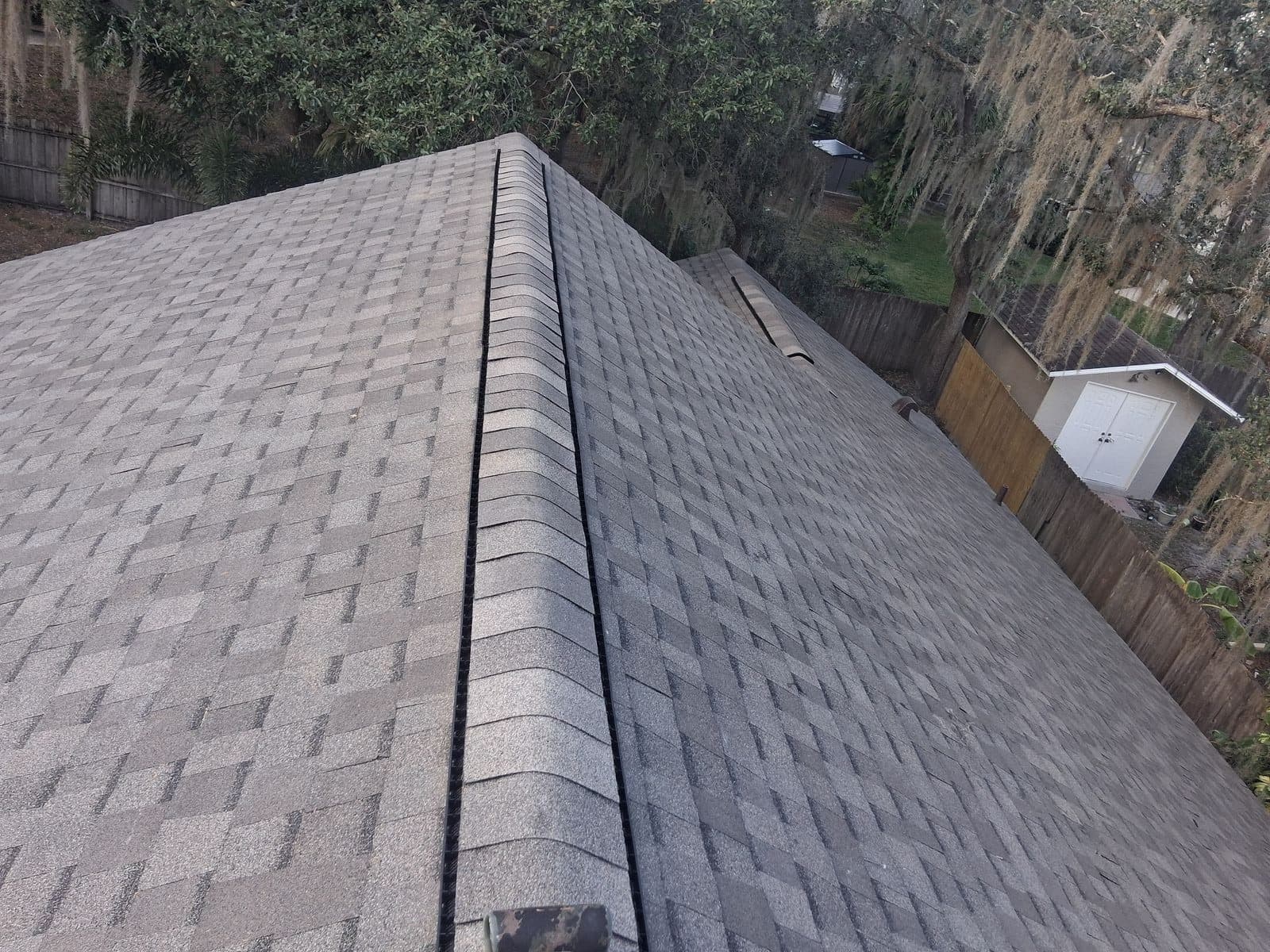
Understanding Class 4 Impact-Resistant Shingles for Central Florida Homes
Central Florida homeowners know a thing or two about severe weather. From intense afternoon thunderstorms to the ever-present threat of hurricane season, our roofs take a beating. It’s no wonder that many are looking into ways to fortify their homes, and impact-resistant shingles often come up in conversation. Specifically, you might hear about "Class 4" shingles – but what does that rating truly mean for your roof?
At Southern Traditions Roofing, a family-owned licensed roofing contractor serving Central Florida since 2019, we believe in helping homeowners make informed decisions. Let's delve into the specifics of Class 4 impact-resistant shingles and what the UL 2218 rating actually guarantees.
The UL 2218 Standard: A Closer Look
When we talk about Class 4 impact resistance, we're referring to a specific standard set by Underwriters Laboratories (UL), known as UL 2218: Impact Resistance of Prepared Roof Covering Materials. This isn't just a marketing term; it's a rigorous testing protocol designed to evaluate how well roofing materials withstand impacts.
Here's how the test works:
- The Steel Ball Drop: During the UL 2218 test, steel balls of various sizes are dropped from specific heights onto roofing material samples. For Class 4 certification, a 2-inch steel ball is dropped from a height of 20 feet onto the same spot twice.
- The Evaluation: After the impact, the shingle is inspected. To pass the Class 4 test, the shingle must show no evidence of cracking, splitting, or tearing on the underside of the material. The key is structural integrity – it’s not about preventing a cosmetic mark, but ensuring the shingle isn't compromised.
This testing is crucial because it simulates the kind of blunt force impact that hail stones can exert on a roof. A shingle that passes the Class 4 rating has demonstrated a superior ability to resist damage from these types of impacts compared to lower-rated or non-rated shingles.
What Class 4 Does Guarantee
For Central Florida homeowners, choosing Class 4 impact-resistant shingles offers several clear advantages:
1. Enhanced Durability Against Hail: This is the primary benefit. Class 4 shingles are engineered with materials and designs that make them significantly more resistant to cracking and fracturing from hail impacts. This can mean a longer lifespan for your roof, especially if your area experiences frequent hailstorms.
2. Potential for Extended Roof Life: By resisting damage from common weather events, Class 4 shingles can contribute to a roof that lasts longer, requiring fewer repairs over its lifetime.
3. Peace of Mind: Knowing your roof has an extra layer of protection against the elements can provide significant peace of mind, especially during our intense storm seasons.
Many manufacturers offer Class 4 rated asphalt shingles, providing excellent options for homeowners looking for durability for their asphalt shingle roofing in Enterprise or asphalt shingle roofing in Edgewater.
What Class 4 Does NOT Guarantee
It's equally important to understand the limitations of the Class 4 rating:
1. Not Indestructible: While highly resistant, Class 4 shingles are not impervious to all damage. Extremely large hail, debris from hurricanes, or falling trees can still cause significant damage. The test simulates a specific type of impact, not every possible scenario.
2. No Guarantee Against Cosmetic Damage: The UL 2218 test focuses on structural integrity. A Class 4 shingle might still show cosmetic marks or indentations after an impact, even if it passes the test and its water-shedding capabilities remain intact.
3. Installation Matters: Even the best materials won't perform optimally if not installed correctly. Proper installation by a licensed and experienced roofing contractor is paramount to ensuring your roof's integrity, regardless of the shingle's rating.
4. Not a Universal Solution for All Storm Damage: While excellent for hail, impact-resistant shingles don't necessarily provide superior protection against high winds, water intrusion from heavy rains, or other types of storm damage. A complete roofing system designed for Central Florida's climate is essential.
Why This Matters in Central Florida
Our unique climate in Central Florida presents specific challenges. The intense heat and humidity can accelerate wear and tear on roofing materials, and the sudden, powerful afternoon thunderstorms often bring hail. Choosing materials that can stand up to these conditions is a smart investment for your home, whether you're in asphalt shingle roofing in Edgewood or elsewhere in the region.
If you're considering impact-resistant shingles, we encourage you to speak with your insurance agent or carrier directly. They can provide specific information about how these materials might relate to your coverage and any potential benefits for your property.
Your Trusted Central Florida Roofing Partner
At Southern Traditions Roofing, we are dedicated to providing reliable and high-quality roofing solutions to homeowners throughout Central Florida. From detailed inspections to expert installations, our family-owned business has been committed to serving our community since 2019. We are a licensed roofing contractor (CCC#1332902), and you can reach us at (407) 579-6397 for any roofing needs.
If you suspect your roof has sustained storm damage, our team can perform a thorough inspection, document any issues with photos, and tarp exposed areas to prevent further damage. If repairs or replacement are needed, Southern Traditions Roofing can provide an itemized estimate and perform the roofing work you authorize. We’re here to help you protect your home with durable, quality roofing that stands up to Central Florida’s weather, including for your asphalt shingle roofing in Eatonville.