Metal vs Tile Roofing in Florida Heat
Metal vs Tile Roofing in Florida Heat
Central Florida's climate presents unique challenges for homeowners: relentless sun, high humidity, daily afternoon downpours, and the ever-present threat of hurricane season. When it's time to choose a new roof, two popular options, metal and tile, offer distinct advantages and considerations. Understanding how each performs under our specific conditions – especially concerning heat – is crucial for making an informed decision that will protect your home for decades.
Reflectivity: Battling the Sunshine State's Glare
One of the most significant factors in Central Florida is how well your roof reflects solar radiation. The less heat your roof absorbs, the cooler your attic and, consequently, your home will stay.
Metal Roofing: Modern metal roofs, particularly those with specialized cool-pigment coatings, are excellent at reflecting sunlight. Lighter-colored metal roofs can reflect a substantial percentage of the sun's rays, preventing that heat from penetrating your home. This reflectivity can lead to noticeable differences in attic temperatures, reducing the workload on your air conditioning system. Many homeowners in areas like metal roofing in Mount Dora and metal roofing in Orlando appreciate the energy efficiency benefits this brings.
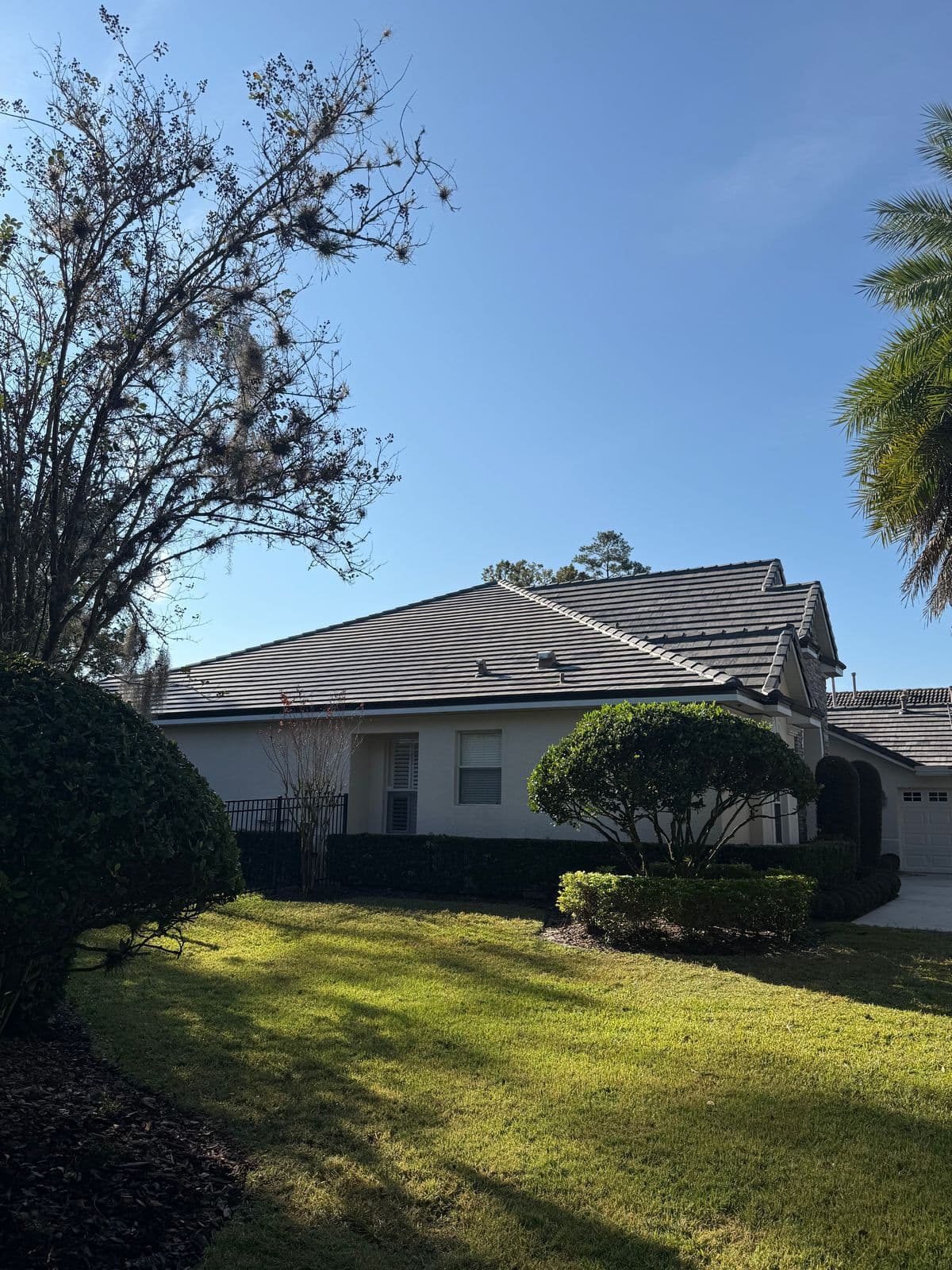
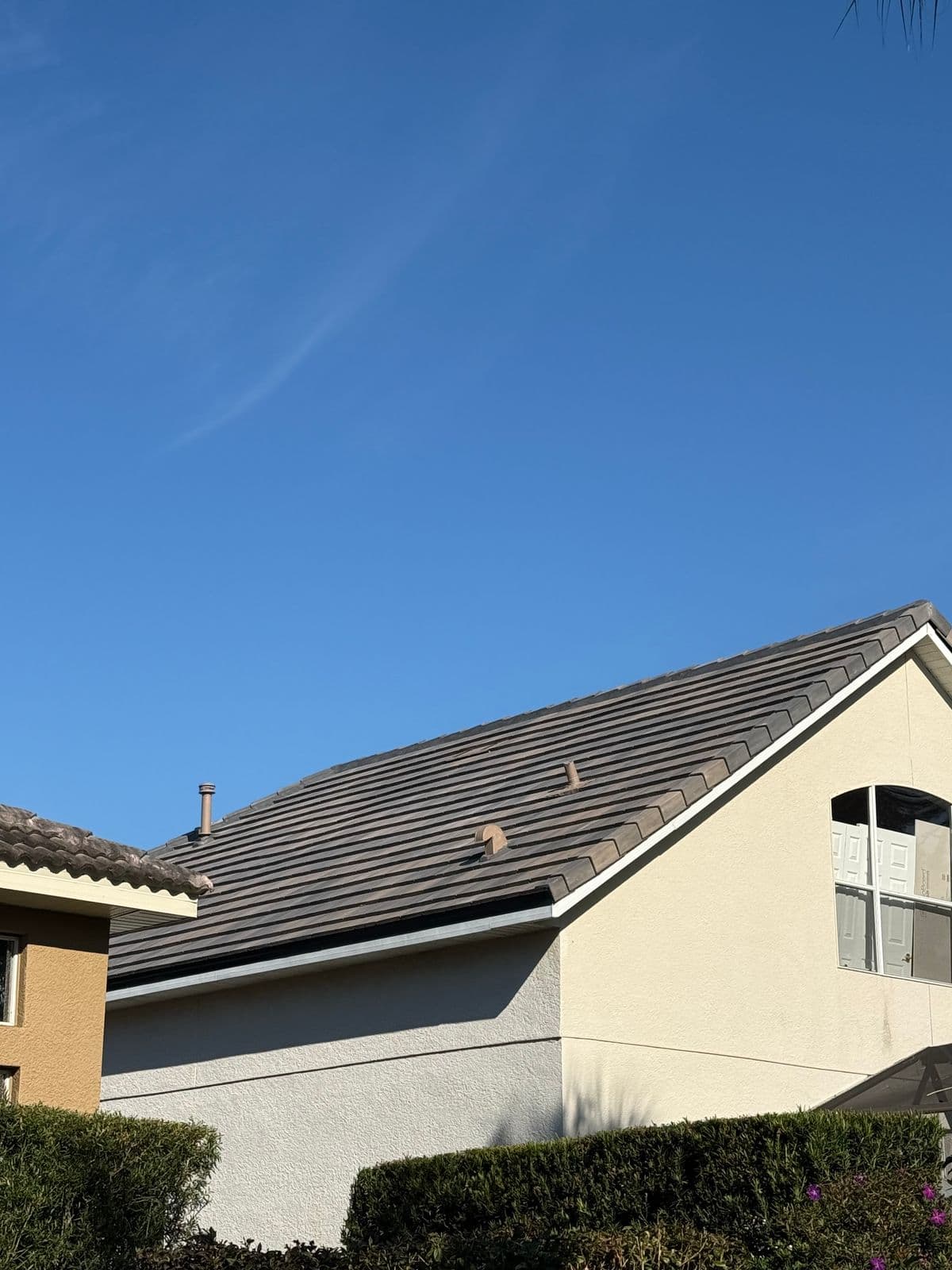
Tile Roofing: Tile roofs, especially lighter-colored concrete or clay tiles, also offer good reflective properties. Their natural color and often lighter hues contribute to their ability to bounce back some solar energy. While generally not as reflective as the best cool-coated metal systems, tile still outperforms darker asphalt shingles in terms of heat reflection.
Thermal Mass: How Materials Store and Release Heat
Beyond reflecting heat, a roof's thermal mass – its ability to absorb, store, and slowly release heat – plays a role, particularly as the sun sets.
Metal Roofing: Metal has very low thermal mass. This means it heats up quickly when exposed to direct sun but also cools down rapidly once the sun sets or is obscured by clouds. This quick release of heat can be an advantage in Central Florida, as it prevents the roof from radiating stored heat into your home long into the evening. The air gap often created by the installation method of metal panels also helps in ventilating the heat away.
Tile Roofing: Tile, particularly concrete or clay tile, has a much higher thermal mass. It takes longer to heat up, but once it does, it retains that heat for an extended period. This means a tile roof can continue to radiate warmth into your attic and home hours after the sun has gone down. While this can be a benefit in colder climates, in Central Florida, it can potentially contribute to a warmer home during the evening hours, requiring more consistent air conditioning. However, the air space created during tile installation also provides a significant insulation layer, helping to mitigate some of this heat transfer.
Weight: A Foundation for Consideration
The weight of your roofing material is an important structural consideration for any home.
Metal Roofing: Metal roofs are remarkably lightweight compared to tile. This lighter load can be beneficial for older homes or structures not designed to bear the significant weight of traditional tile. It also means less stress on your home's framing over its lifespan.
Tile Roofing: Tile roofs are considerably heavier, with concrete and clay tiles adding substantial weight to your home's structure. While most modern homes are built to accommodate this, it's a critical factor for older residences. A professional assessment of your home's structural integrity is always recommended before installing a tile roof.
Lifespan and Durability: Built to Last in Florida's Climate
Both metal and tile roofing are known for their exceptional longevity, far surpassing traditional asphalt shingles, especially in our demanding climate.
Metal Roofing: A properly installed metal roof can last 50 years or more. It's highly resistant to high winds, a crucial benefit during hurricane season, and shrugs off the daily downpours. It doesn't absorb water, preventing issues like mold and mildew that can plague other materials in our humid environment. Metal roofs are also resistant to fire and insect damage. You'll find many enduring metal roofs in communities like metal roofing in New Smyrna Beach and metal roofing in Ormond Beach.
Tile Roofing: Tile roofs boast an equally impressive lifespan, often lasting 50 years or even more with proper maintenance. They are incredibly durable against the elements, resisting hail, fire, and strong winds. Their inherent density provides excellent protection. While tiles can crack if struck by heavy falling debris or walked on improperly, individual tiles can be replaced, extending the life of the entire system.
Making Your Choice for Central Florida
Ultimately, the best choice for your Central Florida home depends on your priorities regarding energy efficiency, aesthetic preference, budget, and structural considerations. Both metal and tile offer long-term value and superior protection compared to many other roofing materials.
If you're considering a new roof for your Central Florida home, Southern Traditions Roofing is here to help. As a family-owned licensed roofing contractor (CCC#1332902) serving Central Florida since 2019, we understand the unique challenges our climate presents. We're committed to providing homeowners with expert advice and quality craftsmanship.
If you have questions about roof damage, please contact your insurance agent or carrier directly. For professional roofing services, including detailed inspections and itemized estimates for repairs or replacement, contact Southern Traditions Roofing at (407) 579-6397. We're ready to perform the roofing work you authorize, ensuring your home is protected with integrity and care.