Architectural vs 3-Tab Shingles: What Changed and Why
Two Products, One Category
Both are asphalt shingles. That is roughly where the similarity ends.
A three-tab shingle is a single flat layer, cut with two notches so one strip reads as three tabs. Uniform thickness, uniform appearance, and for decades the default residential roof in America.
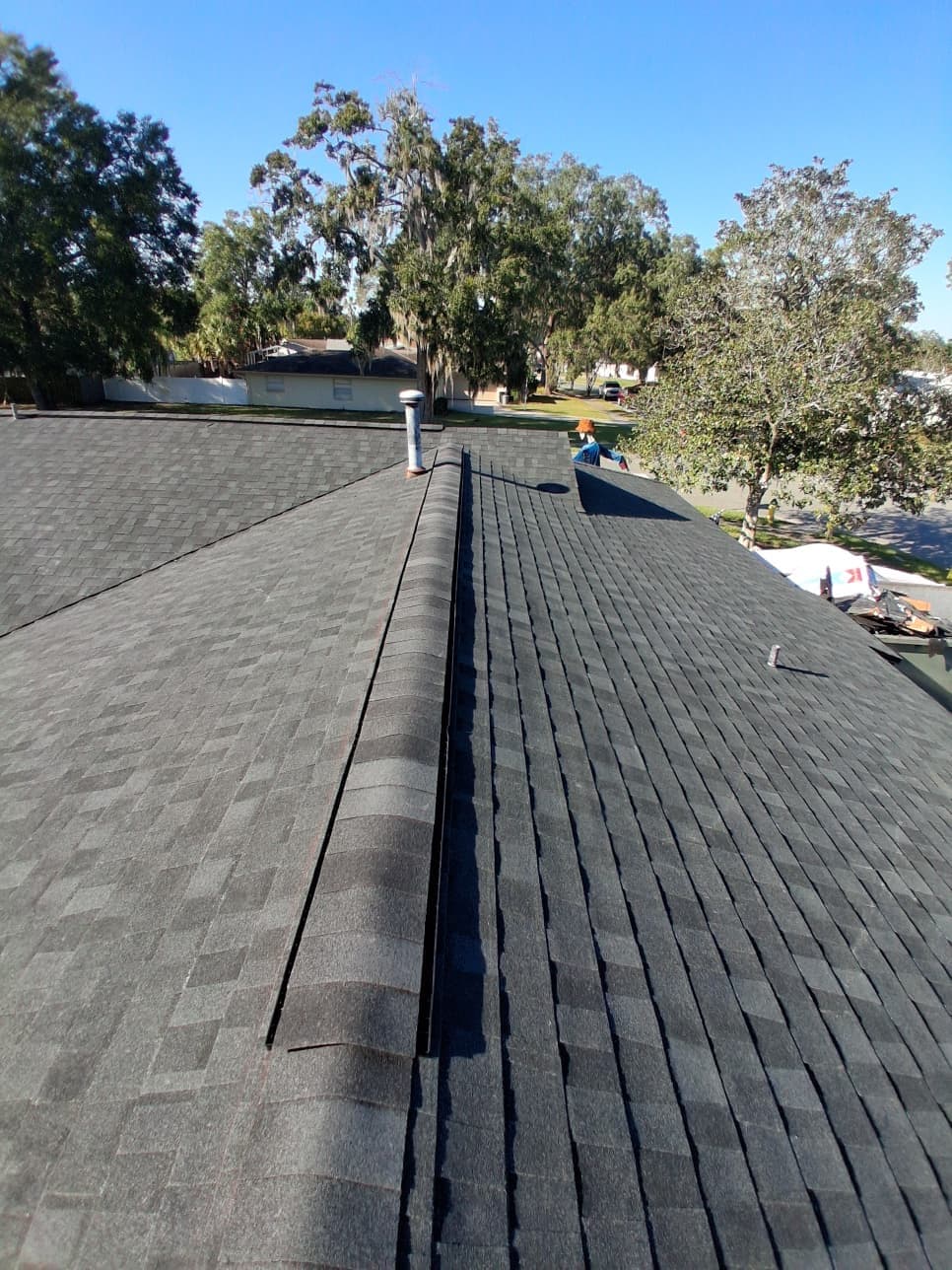
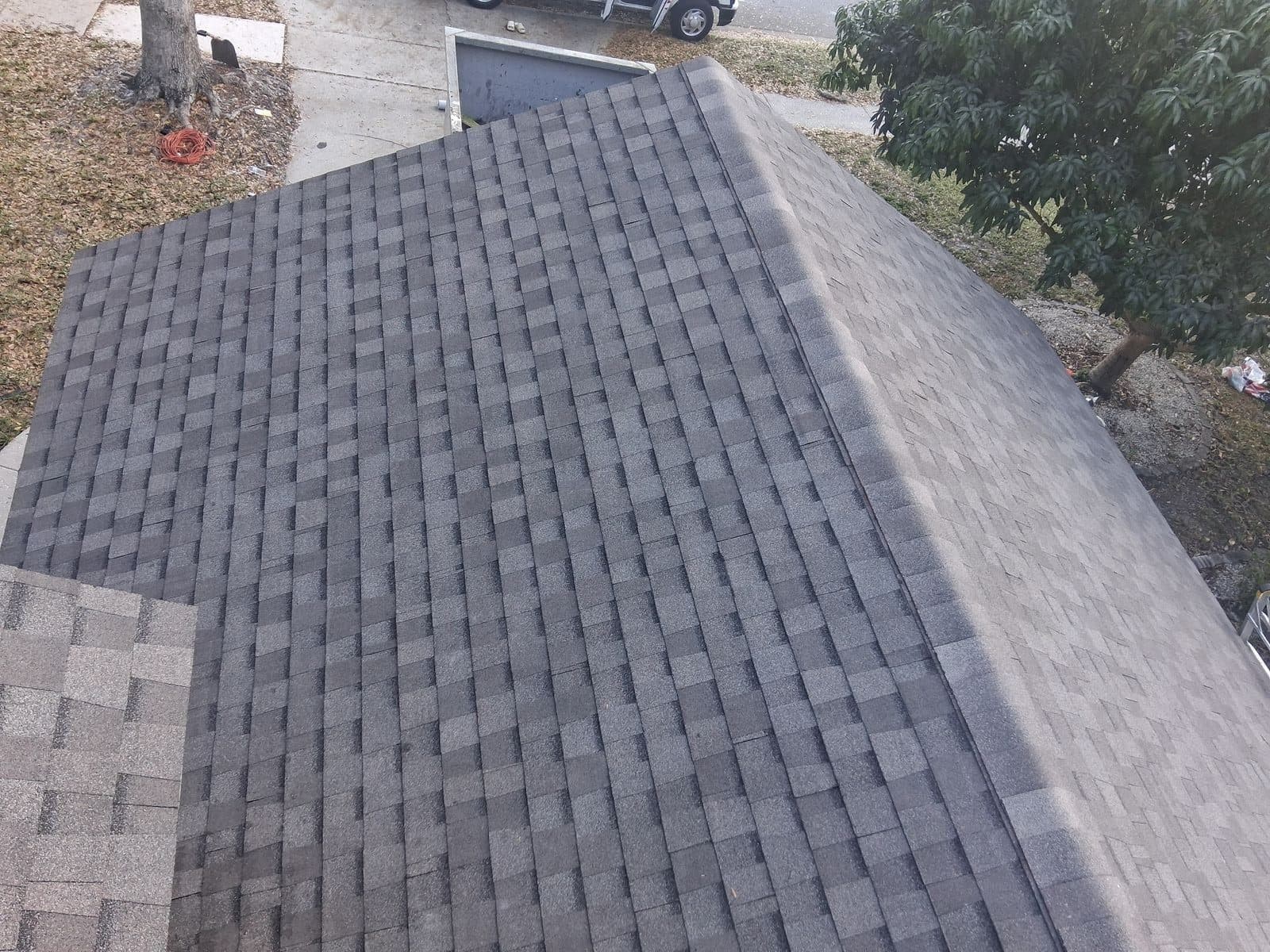
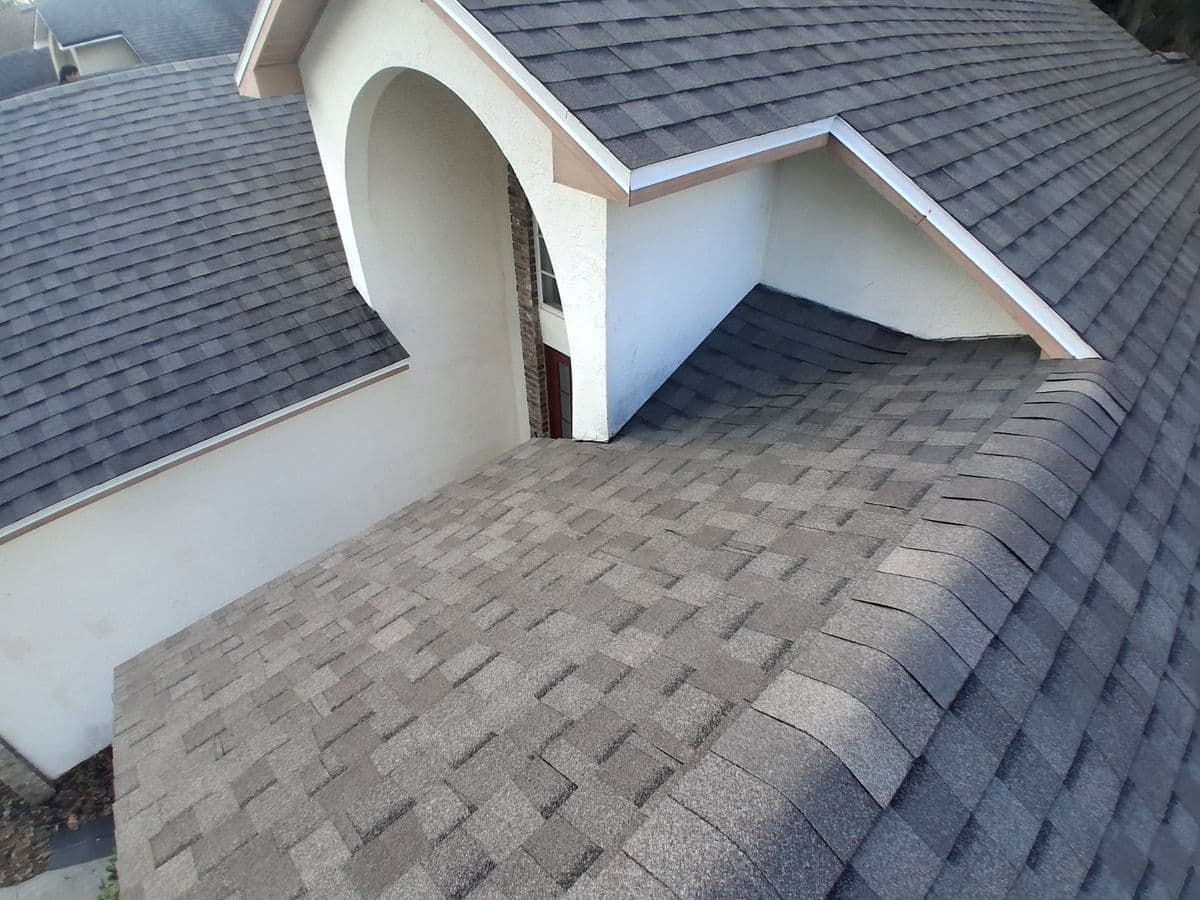
An architectural shingle — also called dimensional or laminate — is built from two or more layers bonded together. The result is thicker, heavier, visually varied, and mechanically quite different.
Why the Layering Matters
Wind Performance
This is the decisive factor in Florida. A three-tab shingle presents a long continuous edge to the wind. Once one tab breaks its seal, the failure tends to propagate along the course.
An architectural shingle is heavier per unit area, has a broader sealant contact patch, and its offset construction means a compromised section is less likely to unzip the ones beside it. Common architectural products carry higher wind ratings than typical three-tab equivalents, which is why they dominate new work here.
Lifespan
Two bonded layers weather more slowly than one. In Central Florida, where UV and thermal cycling drive the aging process, that difference shows up as several extra years of service.
Water Shedding
The thicker profile and deeper shadow lines shed water marginally better across the surface, and the greater mass resists the lifting that lets wind-driven rain underneath.
Where Three-Tab Still Appears
It has not disappeared entirely.
- Repairs to existing three-tab roofs, where matching the surrounding material matters
- Outbuildings, sheds and detached garages, where the economics differ
- Situations where minimum upfront cost genuinely governs the decision
For a primary residence in Central Florida, it is increasingly rare to specify three-tab on new work.
The Trade-Offs, Honestly
Architectural shingles are heavier. On most homes that is irrelevant, but on an older structure it is worth a look at the framing before assuming.
They are more expensive per square. The premium is real, though modest relative to the total installed price once labour, tear-off, underlayment and disposal are counted — those do not change between the two products.
And they are not a magic solution. A well-installed three-tab roof outperforms a badly installed architectural roof every time. Fastener placement, nailing pattern and proper sealing matter more than the product tier.
What Actually Determines How Long It Lasts
In rough order:
1. Installation quality — nail placement above all
2. Attic ventilation — an overheated deck ages the shingle from below
3. Exposure — an unshaded west slope will always go first
4. Product tier — real, but fourth on the list
Choosing
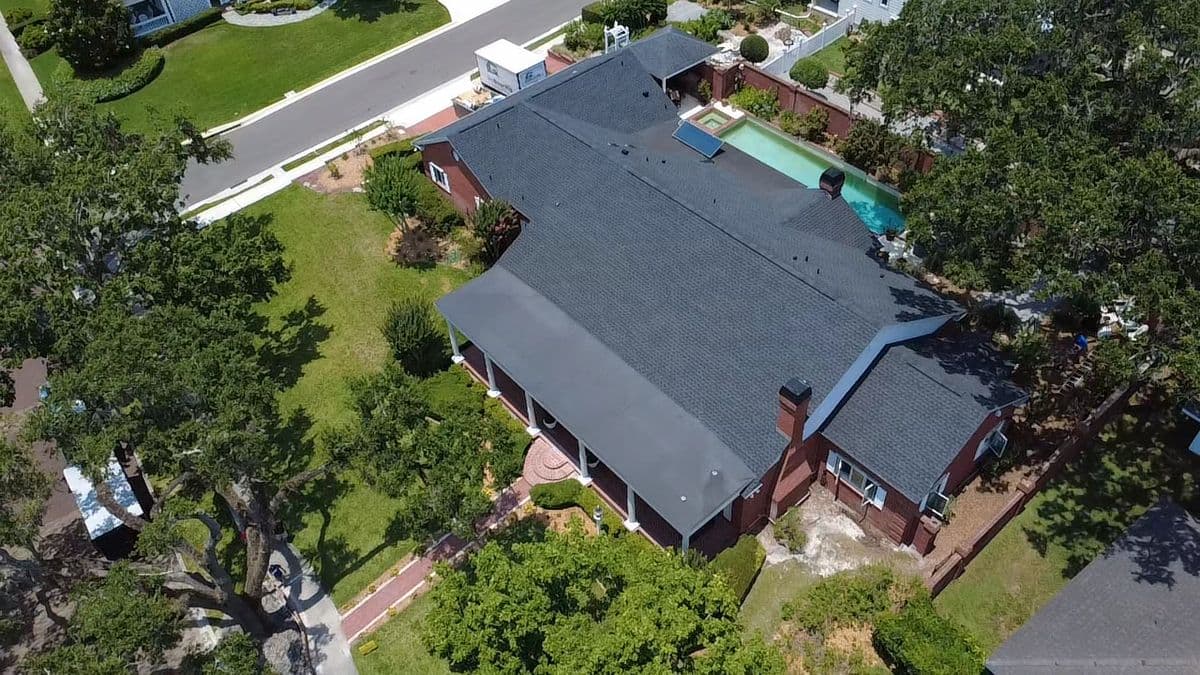
For most Central Florida homes, an architectural shingle in a lighter colour, installed over sound decking with balanced ventilation, is the sensible default. It is what we install most often on asphalt shingle roofing in Groveland, asphalt shingle roofing in Heathrow, asphalt shingle roofing in Harmony and asphalt shingle roofing in Holly Hill.
If you are comparing estimates, look past the shingle name to the wind rating, the underlayment specified, the fastener count per shingle, and whether the estimate includes replacing deteriorated decking. Those line items separate a roof that lasts from one that merely looks finished.
Questions Worth Asking About Any Shingle Estimate
The product line is the part everyone compares. These matter at least as much:
What is the wind rating, and under which test? Ratings are not all measured the same way. Ask what the number refers to.
How many fasteners per shingle, and where? Placement is the single most common installation error, and it is invisible once the next course goes down.
What underlayment is specified? This is the actual water barrier once wind drives rain under the surface. Synthetic versus felt is a real difference in this climate.
Is deteriorated decking included or extra? Nobody knows what is under the old roof until it comes off. An estimate that is silent on this is an estimate that will change.
Is the ventilation being assessed? Putting a new surface over the attic conditions that shortened the last roof's life produces the same result again.
On Warranties
A manufacturer warranty covers the product. It generally does not cover installation, and installation is where most premature failures originate.
Some manufacturers offer enhanced system warranties when the roof is installed by a certified contractor using matched components throughout. Those are worth understanding before you choose, because eligibility is decided at installation and cannot be added afterwards.
Read what the warranty actually covers, what it prorates, and what voids it. Ventilation requirements are a common condition that homeowners discover only later.