Central Florida's Rainy Season: Catching Leaks Early
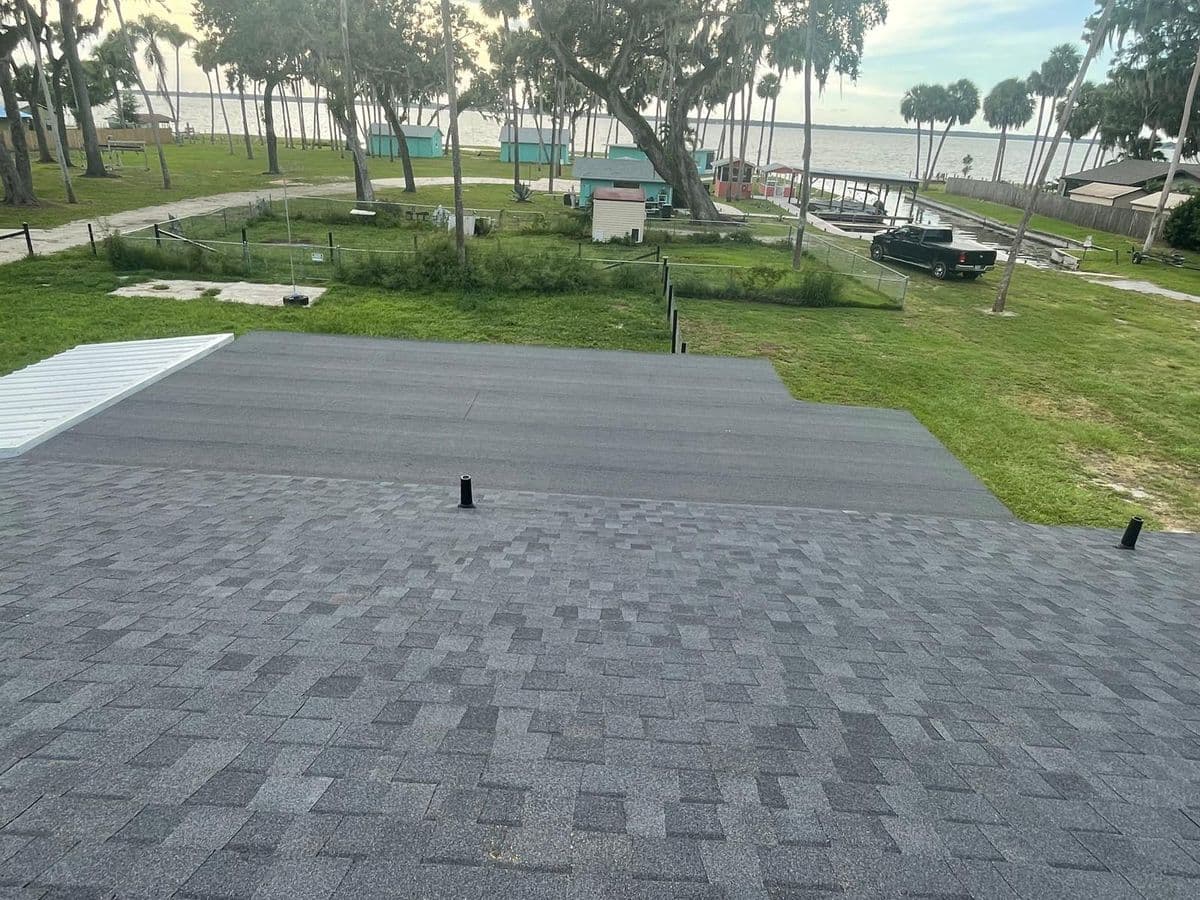
The Rain Here Is Different
Central Florida does not get gentle rain. From June through September the pattern is a hot morning, a building afternoon, and then an hour of water coming down hard enough to overwhelm anything that is not draining properly.
That intensity matters. A roof that handles a light winter shower can leak in a July downpour, because the failure mode is not gentle saturation — it is volume arriving faster than the roof can move it.
Where the Water Actually Gets In
Very few leaks start in the middle of a shingle field. They start at interruptions.
- Valleys, where two roof planes meet and concentrate flow
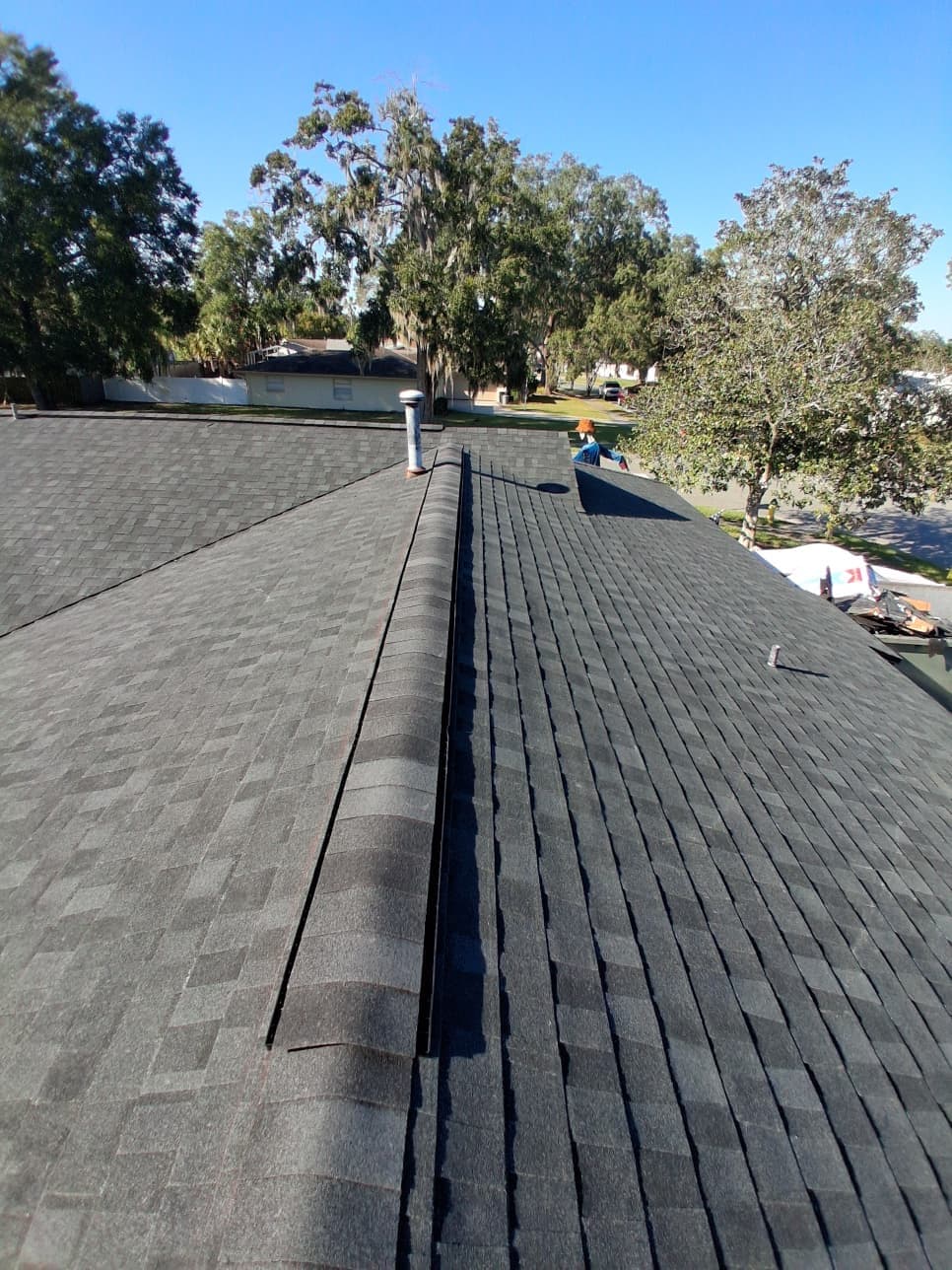
- Penetrations — vent pipes, exhaust fans, skylights
- Wall transitions, where a roof meets a vertical wall and depends on step flashing
- The eave, if gutters are overflowing and pushing water backward under the shingle edge
Signs You Have a Leak Before You Have a Stain
By the time there is a brown ring on a ceiling, water has been getting in for a while. Earlier indicators:
A Musty Smell in One Room
Persistent and localised, strongest after rain. Wet insulation smells before it shows.
Attic Staining
Go up with a flashlight after a heavy storm. Look at the underside of the decking, especially around penetrations and along valleys. Dark patches, streaks running down rafters, or insulation that is matted flat in one spot all indicate water.
Nail Heads That Have Rusted
Rust on the underside of roofing nails means condensation or intrusion. Widespread rust usually points at ventilation; localised rust points at a leak.
Sagging or Discoloured Paint
Paint bubbling on a ceiling or high on a wall is water, not age. Walls stain from leaks more often than people expect, because water travels along a rafter before it drops.
The Ventilation Connection
Not every wet attic is a leak. Central Florida humidity plus an unbalanced ventilation system produces condensation that looks exactly like a small roof leak.
The tell is distribution. A leak is localised and appears after rain. Condensation is spread evenly, worst in the mornings, and does not correlate with weather as tightly.
Both need addressing, but the fixes are unrelated. Diagnosing one as the other wastes money.
What To Do When You Find One
Contain first. A bucket and a tarp on the interior side buys time and limits damage.
Photograph it. Wet, before it dries. Include something for scale, and note the date and the storm.
Do not go on a wet roof. Especially not a tile roof, and especially not during or shortly after a storm. Tile breaks under foot traffic and wet tile is genuinely dangerous.
Get it looked at while it is small. A vent boot replaced in June is a modest repair. The same boot in September, after three months of water tracking along a rafter and into a wall cavity, is drywall, insulation and possibly framing.
We handle roof repair in Eustis, roof repair in Fern Park, roof repair in Enterprise and roof repair in Four Corners, and the June calls are almost always cheaper to resolve than the September ones on the same house.
Gutters Are Part of the Roof
An overflowing gutter pushes water back under the roof edge, where there is no flashing designed to stop it. In a Florida rainy season a clogged gutter is not a cosmetic problem — it is a slow leak with a delivery mechanism.
Clear them before June, and check them again mid-season after the first heavy weeks have brought down leaves and debris.
The Practical Summary
Walk your attic after the first few big storms of the season. Look for staining, smell for damp, and check around every penetration. Ten minutes with a flashlight in June is the cheapest roof maintenance available, and it catches the problems while they are still a repair rather than a rebuild.