Documenting Your Roof's Condition Before Storm Season
Documenting Your Roof's Condition Before Storm Season
In Central Florida, the rhythm of life often revolves around the weather. From the intense summer heat and humidity to the predictable afternoon thunderstorms and the looming hurricane season, our roofs are constantly put to the test. As a homeowner, being proactive about your roof's health is not just about maintenance; it's about creating a personal record of its condition. This record can be incredibly valuable, especially as we approach the more active storm months.
Think of your roof as the primary shield protecting your home and everything inside it. Over time, even without a major weather event, wear and tear can occur. Granule loss, minor dents from hail, or even subtle lifting of shingles might not be immediately obvious from the ground. Before the skies truly open up, taking the time to document your roof's current state with photographs serves as an excellent reference point.
Why Photo Documentation Matters
The main goal of documenting your roof's condition is to create a clear, date-stamped visual history. This isn't about preparing for a specific event, but rather about having a personal archive of your home's most vital protective layer. Should you ever need to assess changes after a severe weather incident, these "before" photos can provide undeniable proof of your roof's pre-storm integrity.
Consider these benefits:
- Baseline for Comparison: Having photos from a calm period allows you to easily identify any new damage that might appear after a storm. What might seem like a small issue post-storm could be significant if it wasn't there before.
- Detailed Visual Record: Photos capture details that written notes might miss. The condition of flashing, vents, gutters, and individual shingles can all be clearly depicted.
- Peace of Mind: Knowing you have a comprehensive record can provide a sense of preparedness. It's an active step in safeguarding your home.
What to Photograph
When you're documenting your roof, aim for thoroughness. You'll want a mix of wide shots and close-ups. If you're comfortable and have the right safety equipment, you can take photos from your roof. However, for most homeowners, ground-level photos, shots from a ladder (safely braced), or even from an upstairs window can be very effective.
Here’s a checklist of what to focus on:
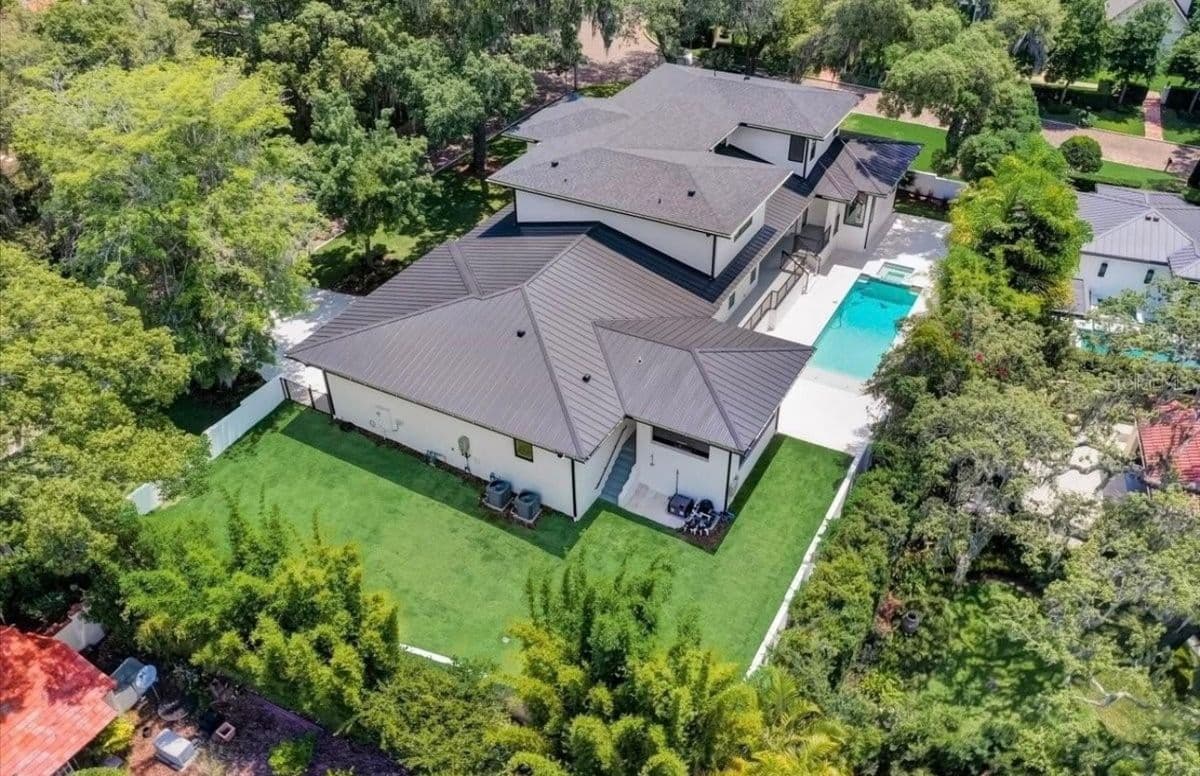
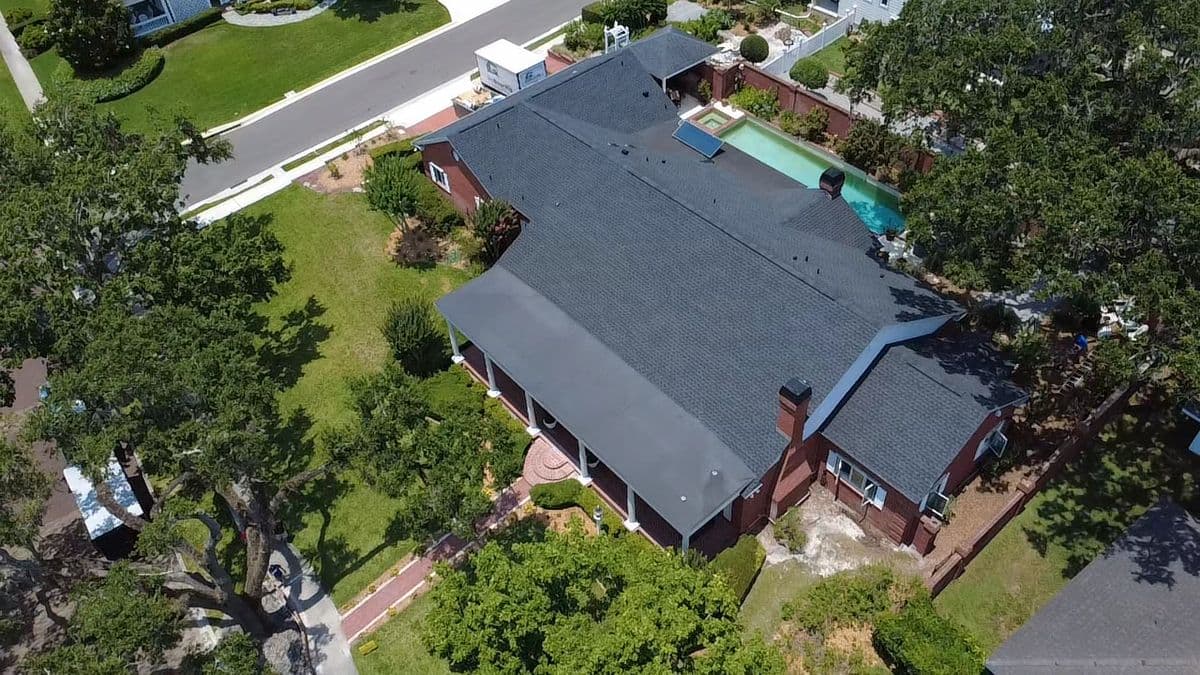
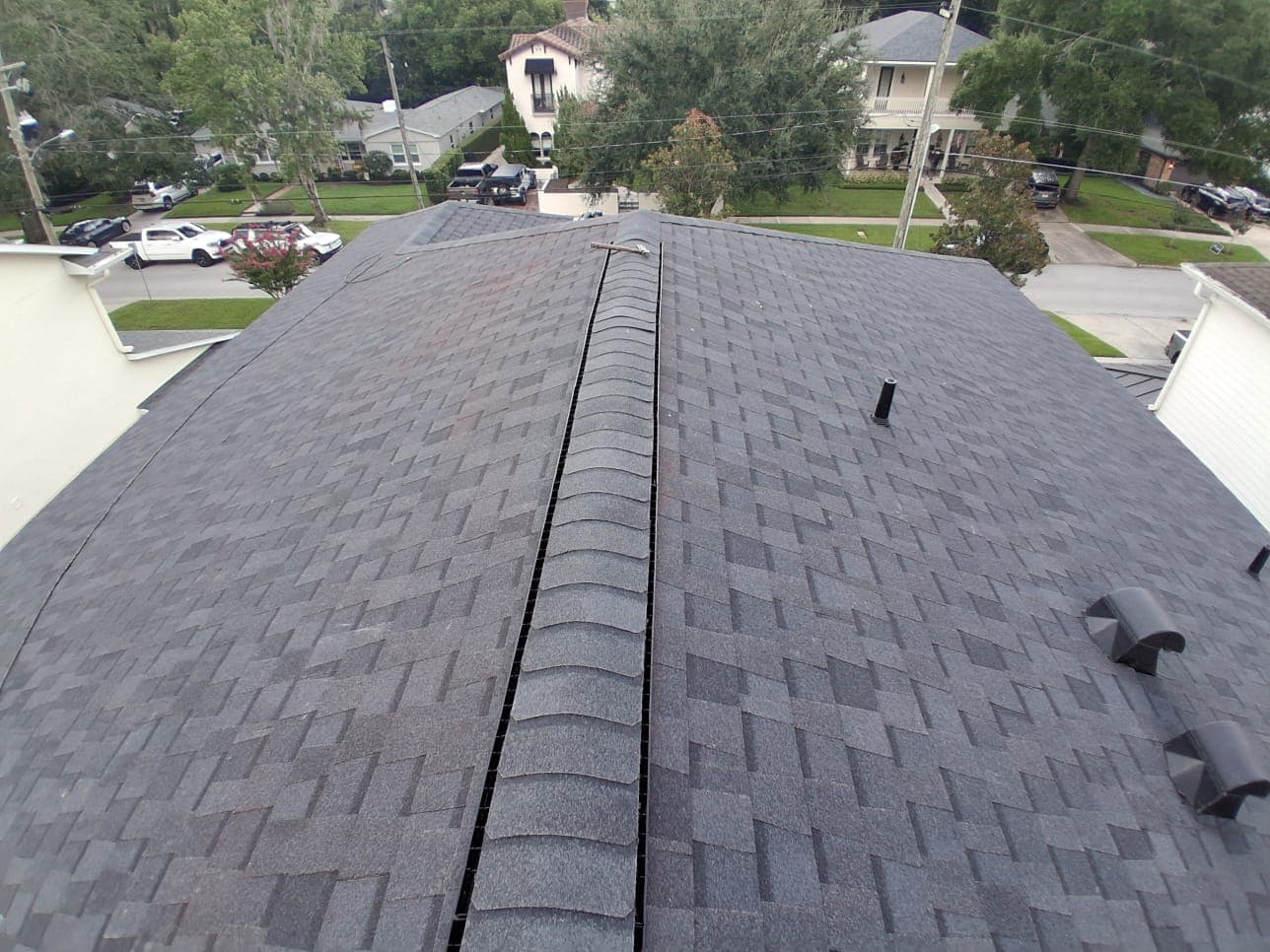
1. Overall Roof Shots: Capture your entire roof from different angles around your property. These wide shots show the general condition and slope.
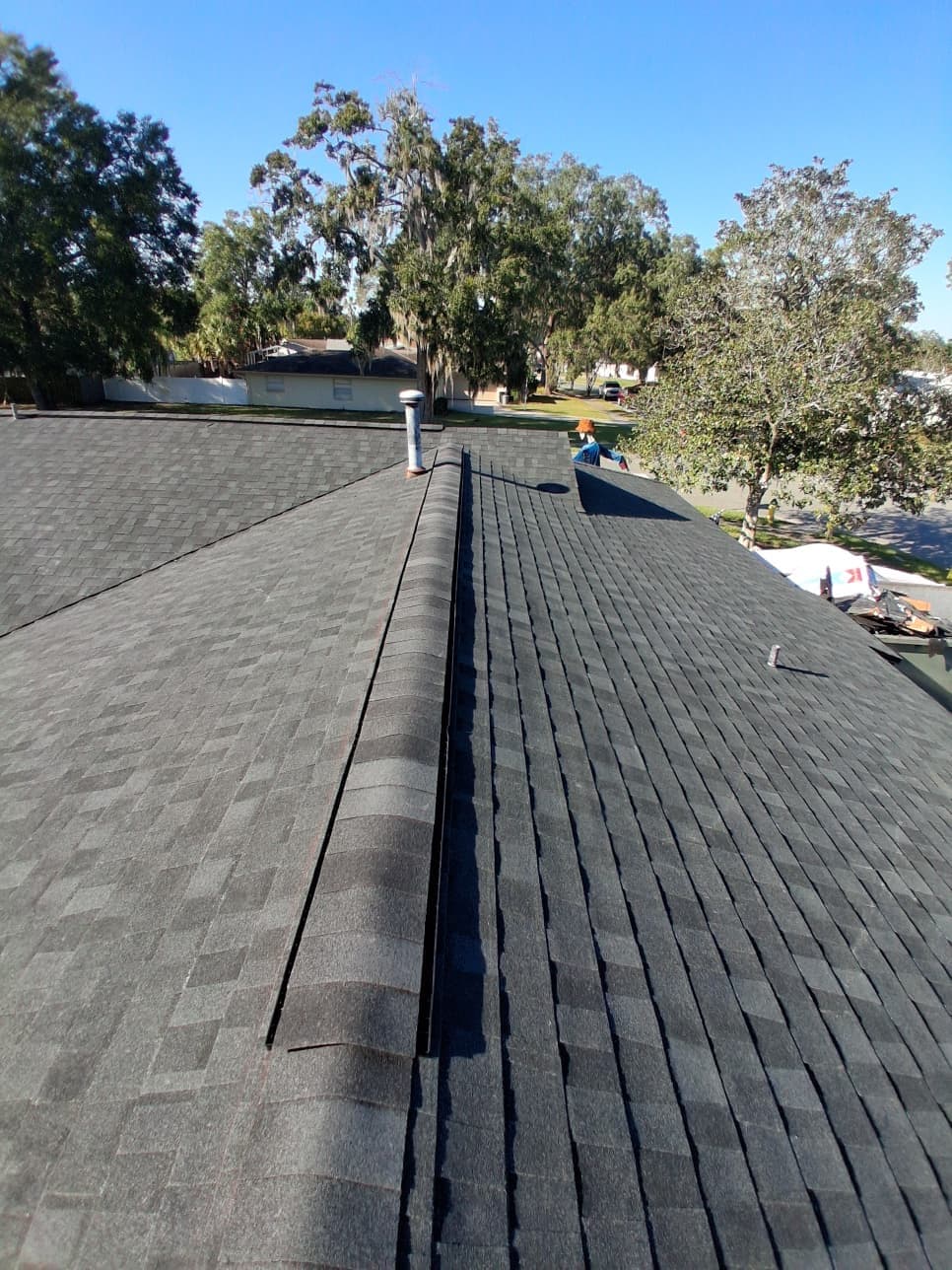
2. Specific Sections: Zoom in on different sections of your roof. Pay attention to valleys, ridges, and edges.
3. Vents and Pipe Boots: These are common areas for wear. Photograph their condition, looking for cracks, deterioration, or signs of dislodgement.
4. Flashing: Around chimneys, skylights, and walls, flashing is crucial for preventing leaks. Document its integrity.
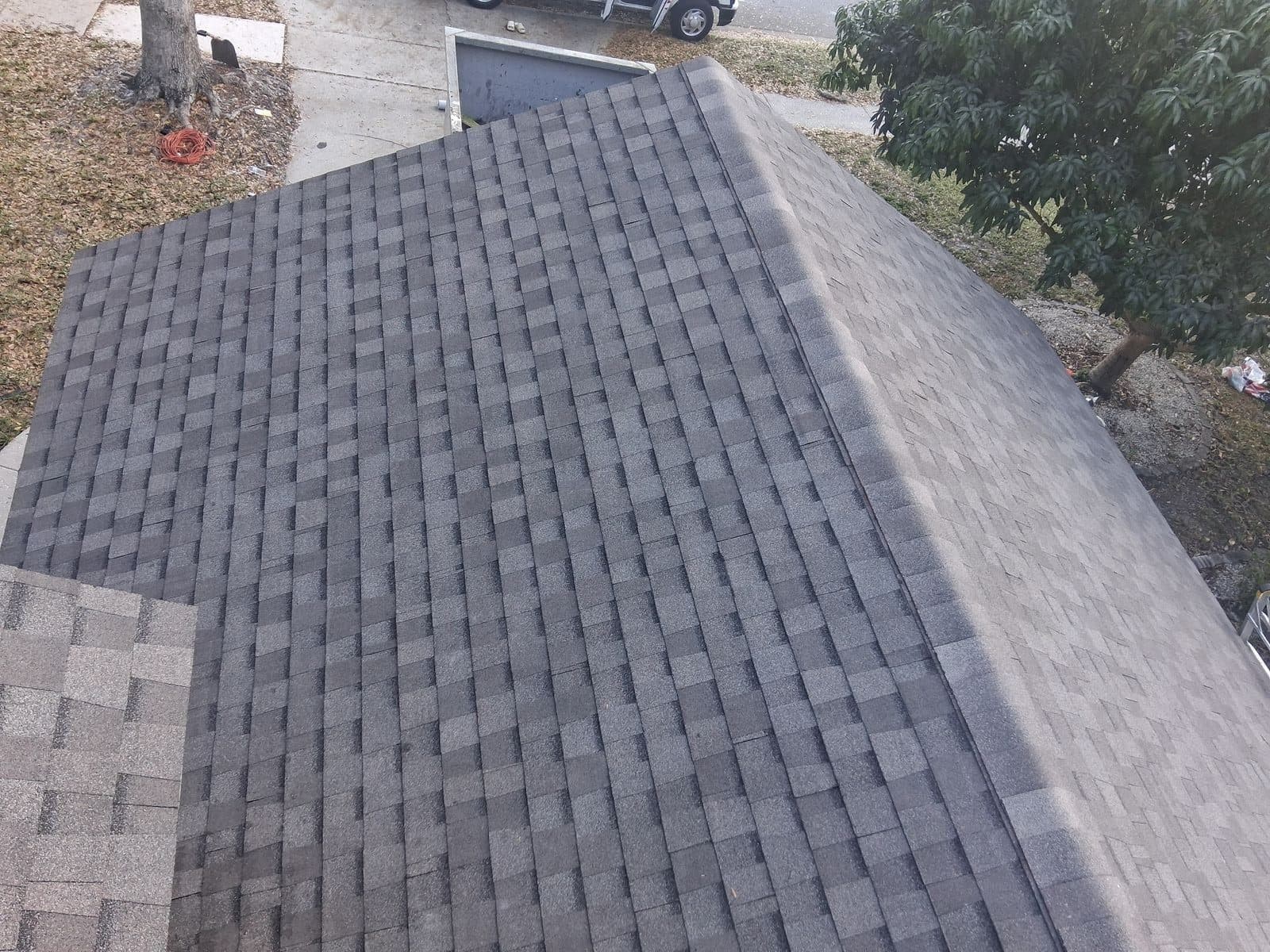
5. Shingle Condition: Take close-ups of your shingles. Look for any curling, cracking, missing granules, or discoloration. Note any areas that appear to have existing repairs.
6. Gutters: Photograph the gutters, noting if they are securely attached, free of debris, or show any signs of rust or damage.
7. Soffits and Fascia: These components, while not strictly part of the roof deck, are integral to the roofing system. Document their condition, looking for rot, holes, or detachment.
8. Any Existing Damage: If your roof already has minor wear or cosmetic issues, photograph these clearly. This establishes that they were pre-existing.
Tips for Effective Documentation
- Date and Time Stamp: Use a camera or phone that automatically date and time stamps photos. This is critical for establishing a timeline.
- Consistent Lighting: Try to take photos on a bright, overcast day to avoid harsh shadows that can obscure details.
- Organize Your Files: Create a dedicated folder on your computer or cloud storage for your roof photos. Label them clearly with the date they were taken (e.g., "Roof_Photos_May_2024").
- Repeat Annually: Make this a yearly habit, perhaps in late spring before hurricane season officially begins. This creates an ongoing historical record.
For homeowners in areas frequently impacted by severe weather, like those experiencing storm damage in Rose Isle or storm damage in Sanford, this kind of proactive documentation is a smart move. Even properties in coastal communities such as those facing storm damage in Satellite Beach or inland areas prone to intense rain, like those that might see storm damage in Sorrento, benefit from this careful approach.
What to Do After a Storm
After a significant storm, it’s advisable to safely inspect your roof again from the ground, looking for any new or worsened issues. If you notice signs of damage, or if you simply want a professional assessment, Southern Traditions Roofing is here to help. As a family-owned business serving Central Florida since 2019, we understand the local climate and its impact on roofs. Our licensed professionals (CCC#1332902) can provide a thorough inspection.
If repairs or replacement are needed, Southern Traditions Roofing can provide an itemized estimate and perform the roofing work you authorize. We focus on quality craftsmanship and reliable service, ensuring your home is well-protected.
Insurance Claims
If you believe your roof has sustained storm damage that may be covered by insurance, contact your insurance company or insurance agent directly regarding coverage and the claims process. Southern Traditions Roofing can inspect your roof, identify physical damage, and provide an itemized estimate for roofing repairs or replacement. We do not interpret insurance policies, determine coverage, file insurance claims on behalf of homeowners, or negotiate insurance claims unless otherwise permitted by law.
For any questions about your policy, including how various factors might affect your premiums or coverage, always consult directly with your insurance agent or carrier. They are the best resource for understanding the specifics of your plan.
Southern Traditions Roofing is committed to keeping Central Florida homes safe and dry. For a comprehensive roof inspection or to discuss your roofing needs, contact us at (407) 579-6397.