What the Florida Building Code Requires of Your Roof
Florida Building Code: What Your Roof Needs
Living in Central Florida means enjoying beautiful weather, but it also means preparing for intense heat, high humidity, and the occasional afternoon thunderstorm that can quickly turn severe. And, of course, hurricane season is a yearly consideration. When it comes to your home, your roof is your primary defense against these elements. That's why the Florida Building Code sets specific, rigorous standards for roofing assemblies. These codes aren't just bureaucratic hurdles; they're designed to protect your home and family, ensuring your roof can withstand the unique challenges of our climate.
Understanding these requirements in plain language can help you make informed decisions about your roof's maintenance, repair, or replacement. Let's break down some key aspects of what the Florida Building Code demands from your roof.
Wind Resistance: Our Hurricane Imperative
Perhaps the most critical aspect of the Florida Building Code for roofs, especially in our region, is wind resistance. We live in a hurricane-prone state, and the code reflects that reality. This isn't just about the shingles; it's about the entire roofing system.
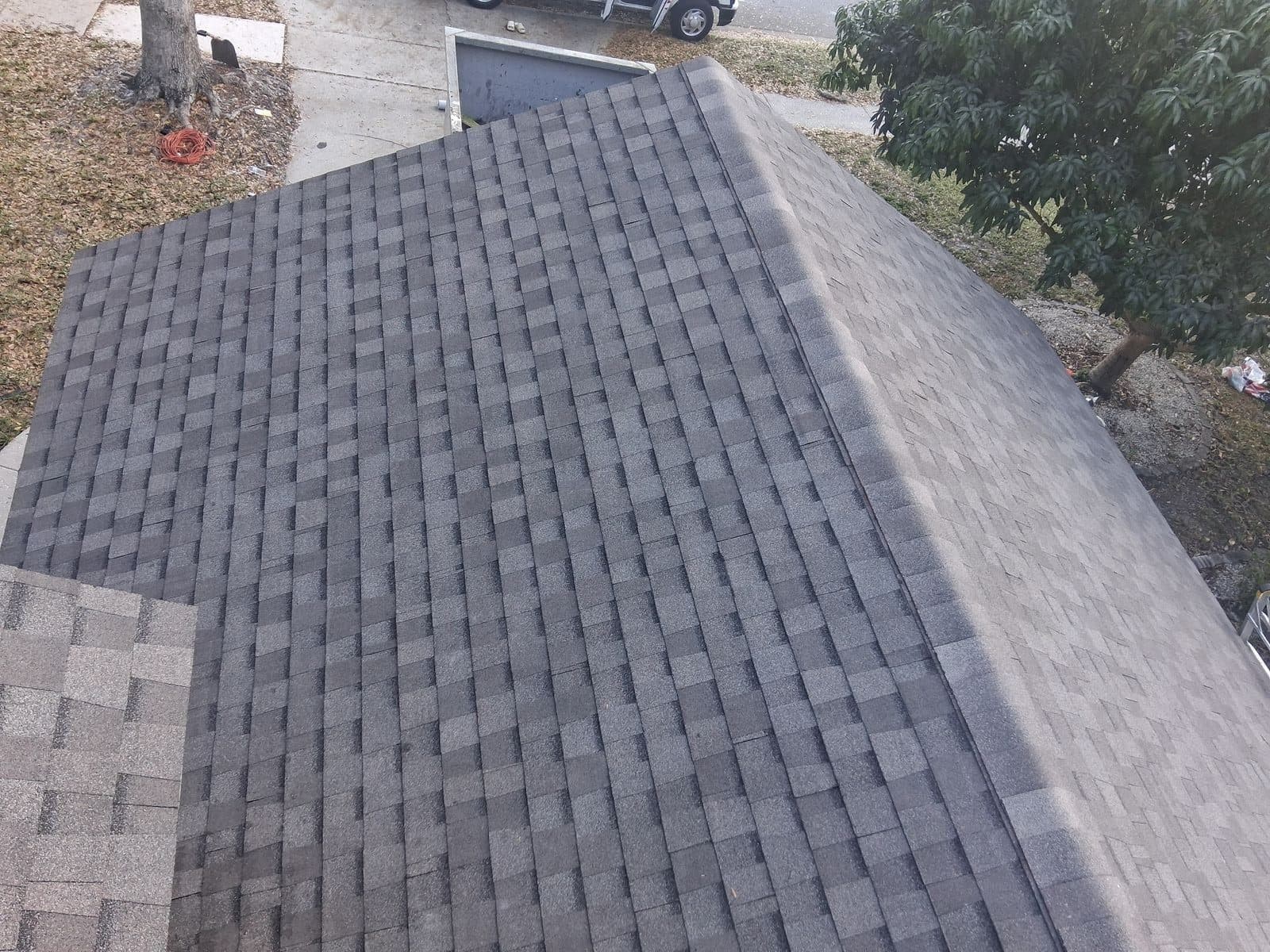
- Fastening: The code specifies how roofing materials – from the underlayment to the shingles or tiles – must be fastened to the roof deck. This often involves using more fasteners, or specific types of fasteners, than you might see in other parts of the country. The goal is to prevent materials from lifting and detaching during high winds, which can lead to catastrophic damage. For example, shingles might require six nails per shingle instead of four, or a specific pattern of application to enhance their wind uplift resistance.
- Roof Deck Attachment: The roof deck itself, typically plywood or OSB, must be securely attached to the roof trusses or rafters. This often involves specific nailing patterns and nail types to ensure the deck won't separate from the structure during extreme wind events. Strengthening this attachment is a common practice during a full roof replacement.
- Secondary Water Barrier (SWB): While not always directly visible, a secondary water barrier is a crucial component. This is an additional layer of protection, often a self-adhering membrane, installed directly on the roof deck before the primary roofing material. Its purpose is to prevent water intrusion even if the primary roofing material is damaged or blown off during a storm. This is a vital defense against water damage, which can be just as destructive as wind damage.
Material Standards: Built for Durability
The Florida Building Code also sets standards for the materials themselves, ensuring they are suitable for our climate.
- Impact Resistance: While not universally required for all roofing materials, impact resistance is a significant factor, especially when considering the hail that can accompany our strong thunderstorms. Some materials are specifically rated for their ability to withstand impacts from hail or wind-borne debris.
- Fire Resistance: All roofing materials must meet specific fire-resistance ratings, contributing to the overall safety of your home and neighborhood.
- Product Approvals: Any roofing material used in Florida must be approved by the Florida Building Commission. This ensures that the products have been tested and certified to meet the state's stringent requirements for performance in our unique environment.
Ventilation: A Key to Longevity and Efficiency
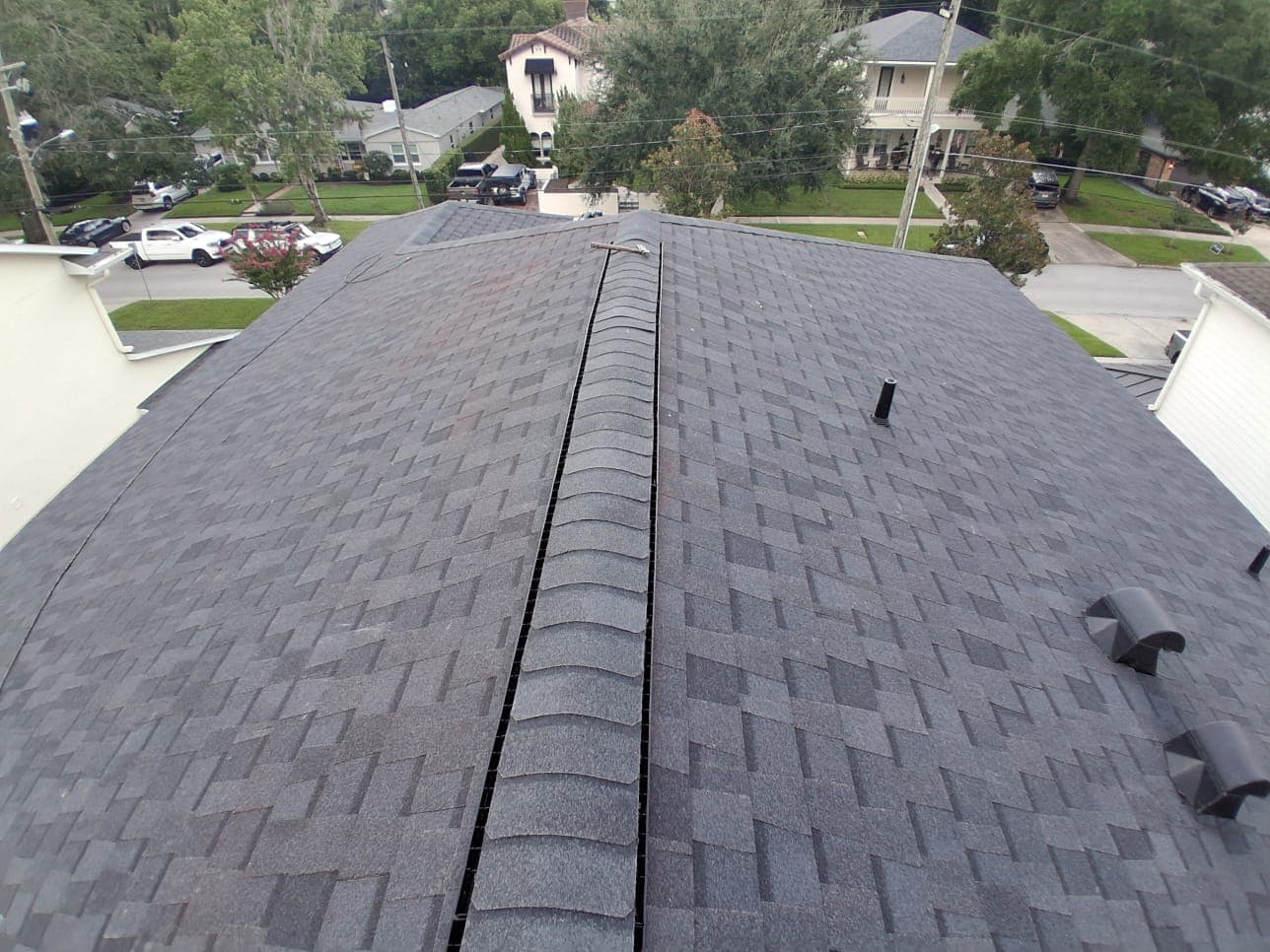
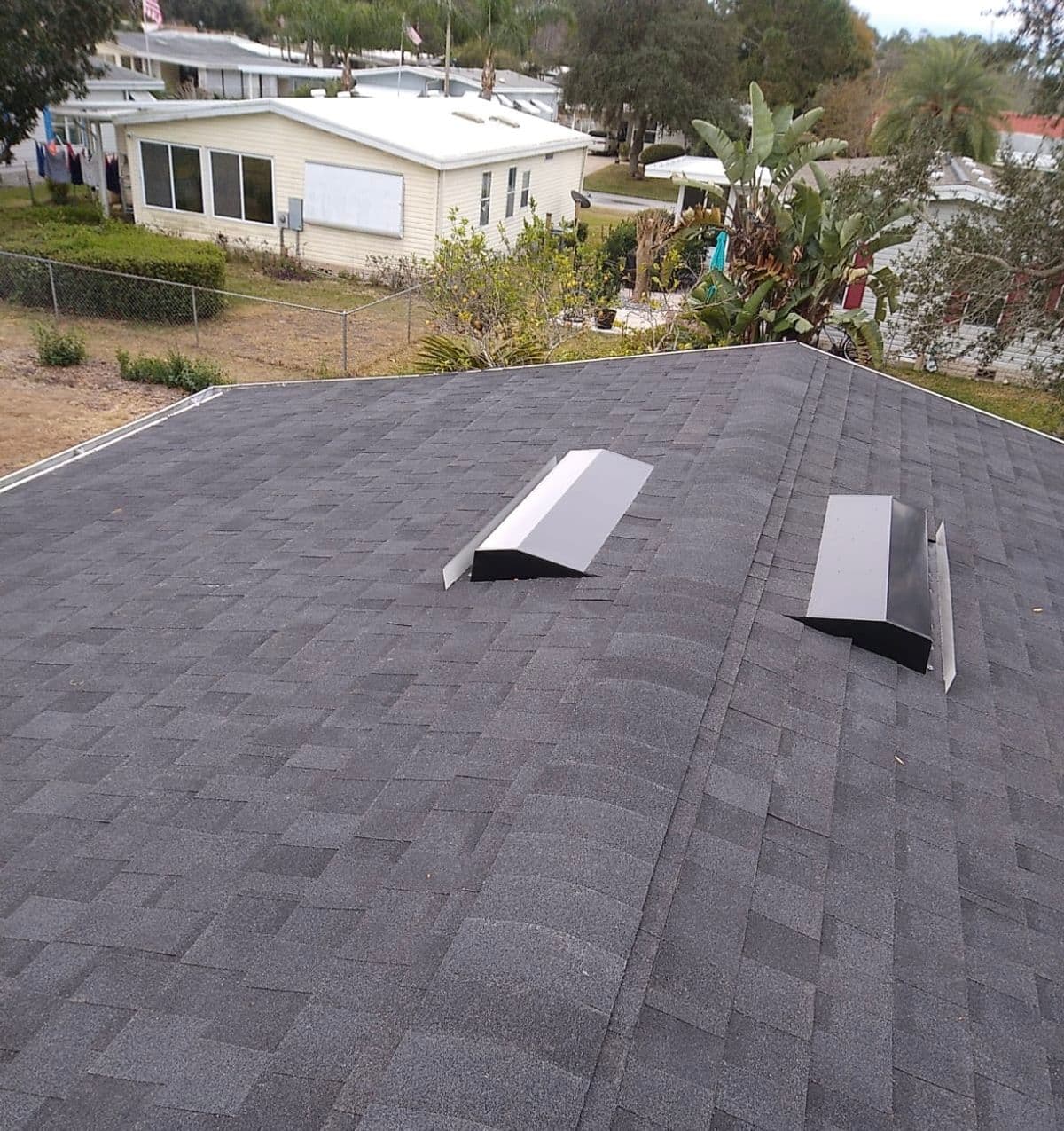
Proper roof ventilation is often overlooked but is essential, especially in Central Florida's heat and humidity. The code addresses ventilation to ensure:
- Moisture Control: Adequate ventilation helps to remove hot, humid air from your attic, preventing moisture buildup that can lead to mold, mildew, and premature deterioration of your roof structure.
- Temperature Regulation: By allowing hot air to escape, good ventilation helps keep your attic cooler, which can reduce the strain on your air conditioning system and potentially lower your energy bills.
- Material Lifespan: Excessive heat in the attic can degrade roofing materials from the underside, shortening their lifespan. Proper ventilation helps your roof materials last longer.
Ensuring Compliance During Repair or Replacement
When you're considering a roof repair or a full roof replacement in Indialantic, it's crucial that any work performed adheres to the current Florida Building Code. This isn't just about passing an inspection; it's about the long-term integrity and safety of your home.
- Permitting: Any significant roofing work, including a full roof replacement or extensive repairs, requires a permit from your local municipality. This permitting process ensures that the work will be inspected by city or county officials to verify compliance with the Florida Building Code.
- Licensed Contractors: Choosing a licensed roofing contractor like Southern Traditions Roofing (License: CCC#1332902) is paramount. Licensed contractors are knowledgeable about the current building codes and are legally required to perform work that meets these standards. They understand the nuances of what's needed for a roof replacement in Hunters Creek or a repair in your specific area.
What to Do if You Suspect Roof Damage
If you've experienced severe weather or notice signs of wear and tear, such as missing shingles, leaks, or granule loss, it's wise to have your roof inspected. Southern Traditions Roofing, a family-owned business serving Central Florida since 2019, offers comprehensive roof inspections. We can assess the condition of your roof, identify any damage, and determine if repairs or replacement are needed.
If repairs or replacement are needed, Southern Traditions Roofing can provide an itemized estimate and perform the roofing work you authorize. We are well-versed in the Florida Building Code and dedicated to ensuring your roof is built to last and protect your home effectively. Whether you're in need of a roof replacement in Indian Harbour Beach or a repair in Howey-in-the-Hills, our team is ready to assist.
For any questions about your homeowner's insurance policy and how it relates to roof damage, always contact your insurance agent or carrier directly. They can provide specific information regarding your coverage.
Southern Traditions Roofing is here to ensure your roof meets the highest standards of safety and durability. For a professional inspection or to discuss your roofing needs, contact us today at (407) 579-6397. We are committed to upholding the "Southern Traditions" of quality workmanship and customer satisfaction.