Flashing: The Most Common Place Roofs Leak
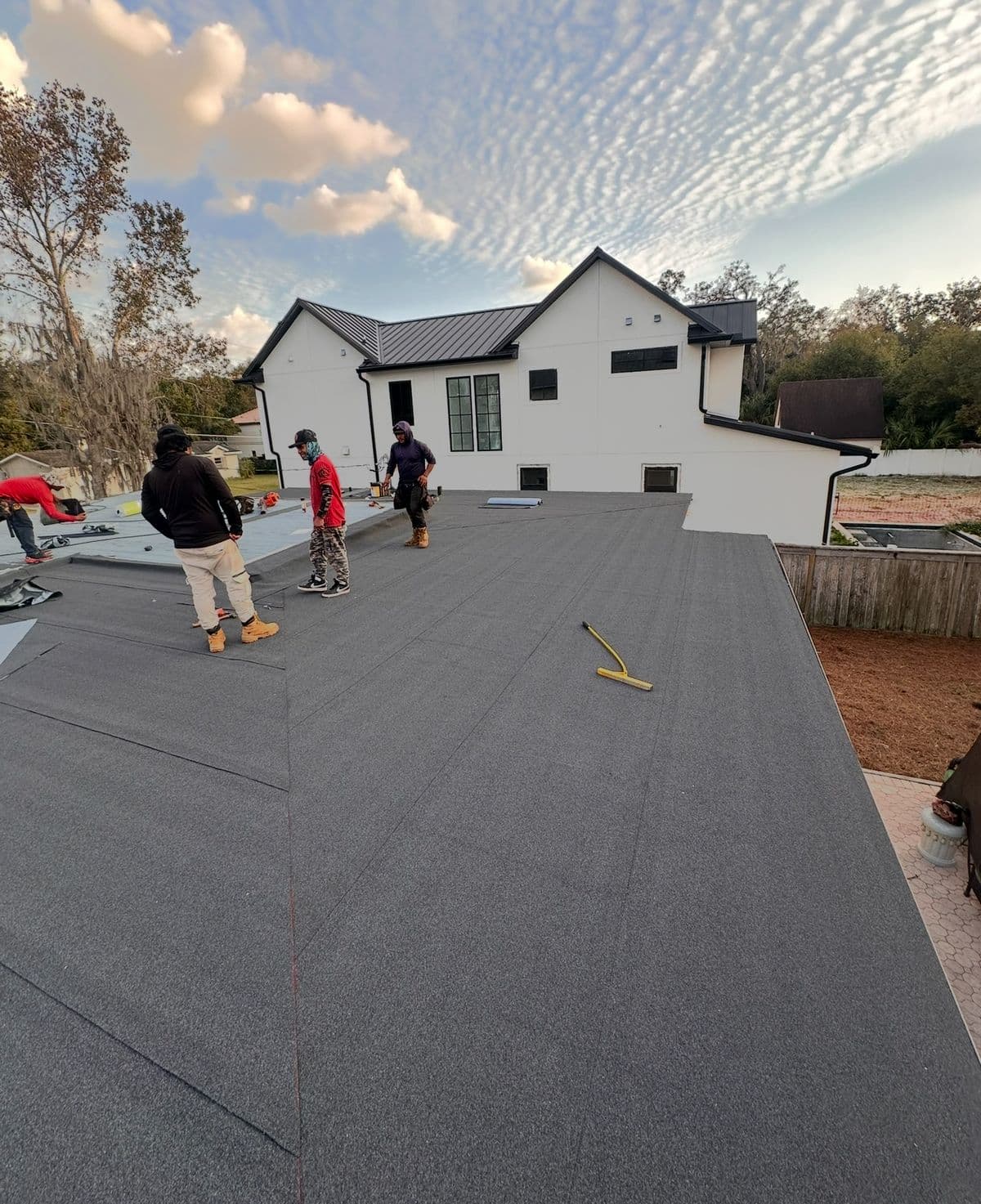
Roofs Do Not Leak in the Middle
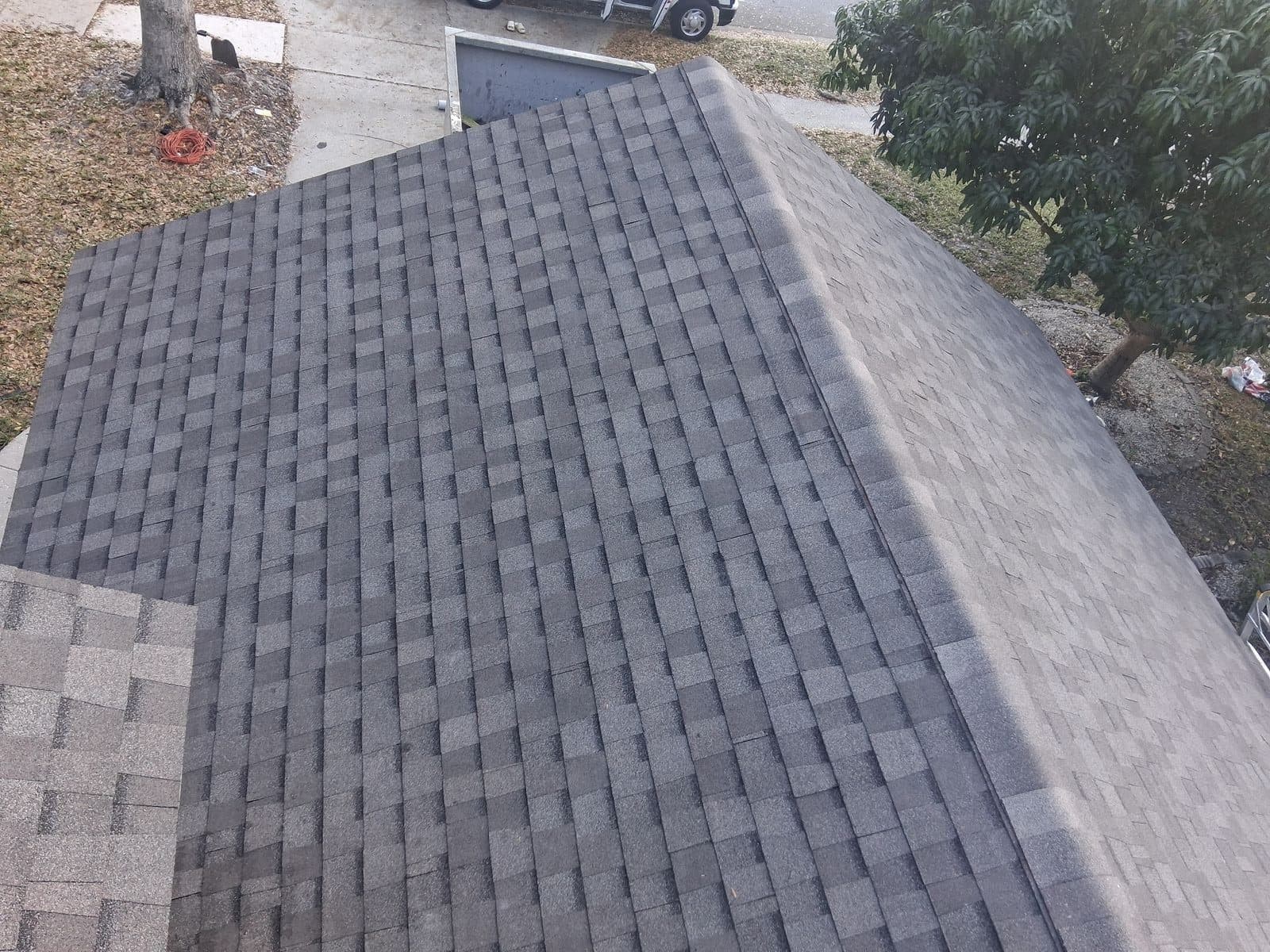
A shingle field is good at its job. Water lands on it and runs off, and it will do that for fifteen or twenty years in Central Florida without much complaint.
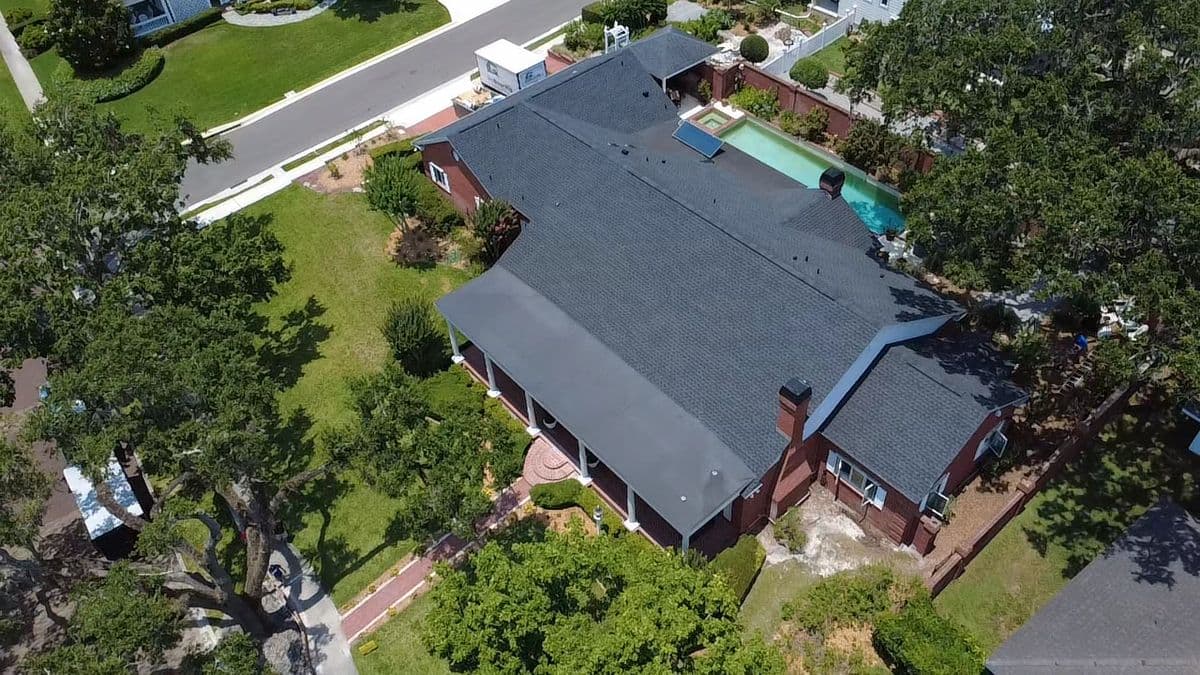
Leaks start where that continuous surface is interrupted — where the roof meets a wall, a chimney, a vent pipe, or another roof plane. Those junctions are sealed with flashing: thin metal shaped to bridge the gap and direct water back onto the surface.
When a roof leaks, flashing is the first place a roofer looks, and usually the last place they need to.
The Junctions That Matter
Valleys
Where two slopes meet, they concentrate the water from both into one channel. A valley on a Florida roof can carry a startling volume during an August downpour.
Valley failures come from corroded or undersized metal, from debris damming the channel and forcing water sideways under the shingles, and from nails driven too close to the centre.
Wall Transitions
Where a roof plane runs into a vertical wall — common on additions, dormers and split-level homes — the junction is closed with step flashing: individual pieces woven in with each shingle course, each one lapping the next.
The failure here is almost always installation rather than age. A single continuous strip of metal instead of stepped pieces will shed water for a while and then leak persistently, and it cannot be fixed without opening the courses.
Chimneys
The most complex junction on most roofs. It needs base flashing at the front, step flashing up the sides, a saddle or cricket behind it to divert water around, and counterflashing set into the masonry above.
Chimneys without a cricket collect debris and hold water on the uphill side. On a wide chimney that is a slow, reliable leak.
Penetrations
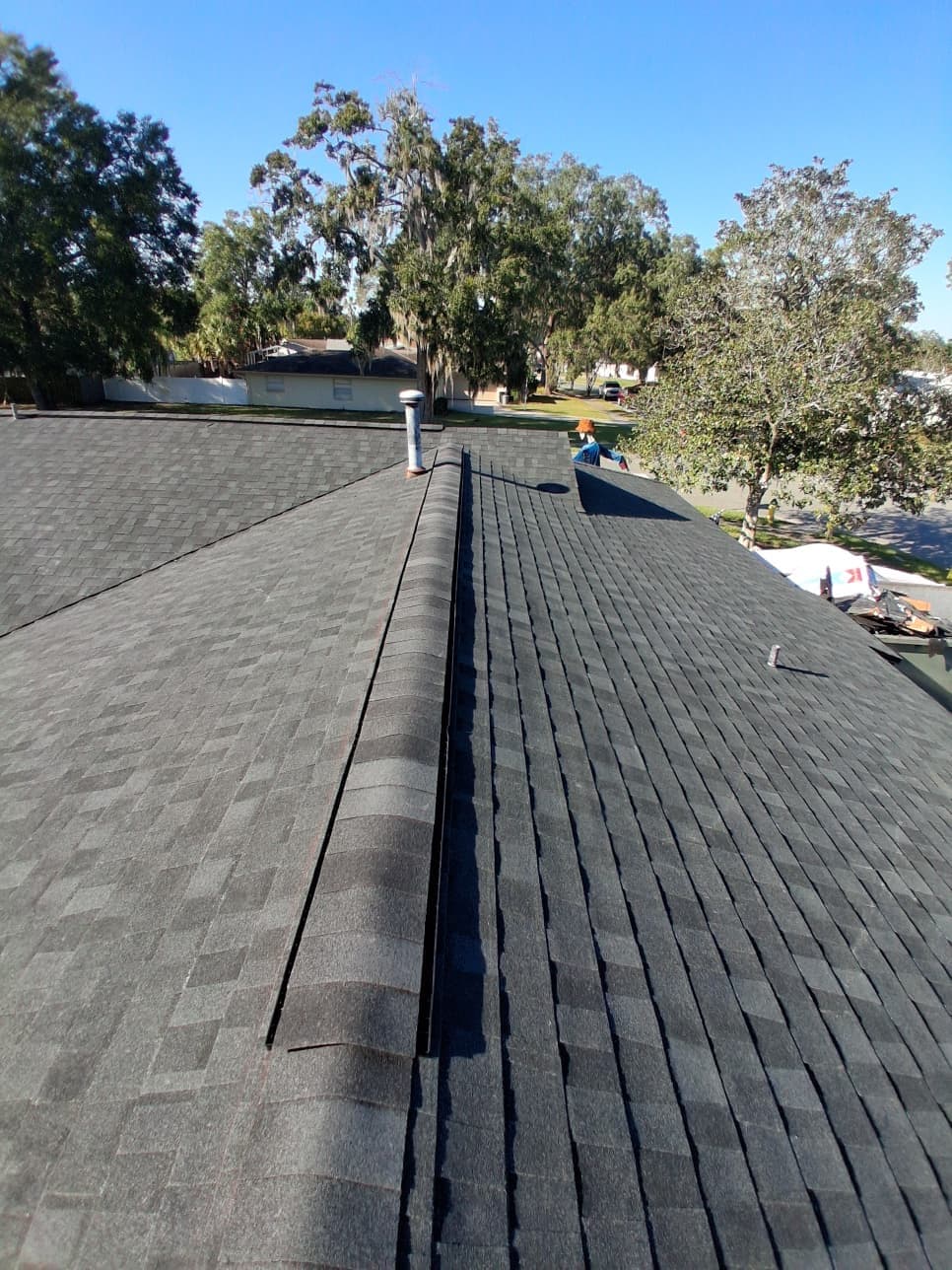
Vent pipes, exhaust fans and skylights. The plumbing vent boot is the single most common failure point on a Florida roof — a rubber collar that cracks under UV, typically somewhere between years eight and twelve, well before the shingles are finished.
It is a cheap part. Its failure puts water directly onto the deck.
Drip Edge
The metal at the eave and rake that closes the gap between deck and gutter. Without it, or with it loose, water wicks backward under the shingle edge and into the fascia. This is a slow rot problem rather than a dramatic leak, and it is often well advanced before anyone notices.
Why Flashing Fails Here
Thermal cycling. Metal expands and contracts through a wide daily range in Central Florida. Fasteners loosen, laps open, and sealant that was flexible becomes brittle.
Sealant has a shorter life than everything around it. Roofing sealant is a consumable, not a permanent component. Anywhere a roof depends on a bead of sealant rather than on properly lapped metal, that is a maintenance item on a five-to-ten year clock.
Reused flashing. On a re-roof, reusing old flashing to save money is a false economy. The new surface will outlast the flashing under it by a decade.
Debris. Valleys and chimney backs collect leaves and needles, which hold moisture against the metal and dam the channel.
What You Can See From the Ground
You will not assess flashing properly without getting close, but some things are visible:
- Rust staining running down from a chimney or a valley
- Visible gaps or lifted metal at a wall transition
- Debris packed into a valley or piled behind a chimney
- Damaged or missing drip edge along the eave
Inside, the attic tells you more: staining on the decking near a chimney, a valley or a wall line is flashing until proven otherwise.
Repair or Replace
Flashing is repairable and often worth repairing. A cracked vent boot, a length of drip edge, a section of step flashing on one wall — these are contained jobs on an otherwise sound roof.
The judgement changes when the roof itself is near the end of its life. Replacing flashing under a seventeen-year-old shingle field buys a year or two and then has to be disturbed again. At that point the flashing conversation is really a roof conversation.
We handle roof repair in Eustis, roof repair in Fern Park, roof repair in Four Corners and roof repair in Fruitland Park. If an inspection finds flashing work worth doing, Southern Traditions Roofing can provide an itemized estimate and perform the roofing work you authorize.
Before the Rainy Season
Flashing problems are quiet in the dry months and loud in July. If you are going to look at one thing on your roof before June, make it the junctions — the chimney, the valleys, the wall lines and the vent boots. That is where the water will try to get in.