What to Check on Your Roof After a Florida Storm
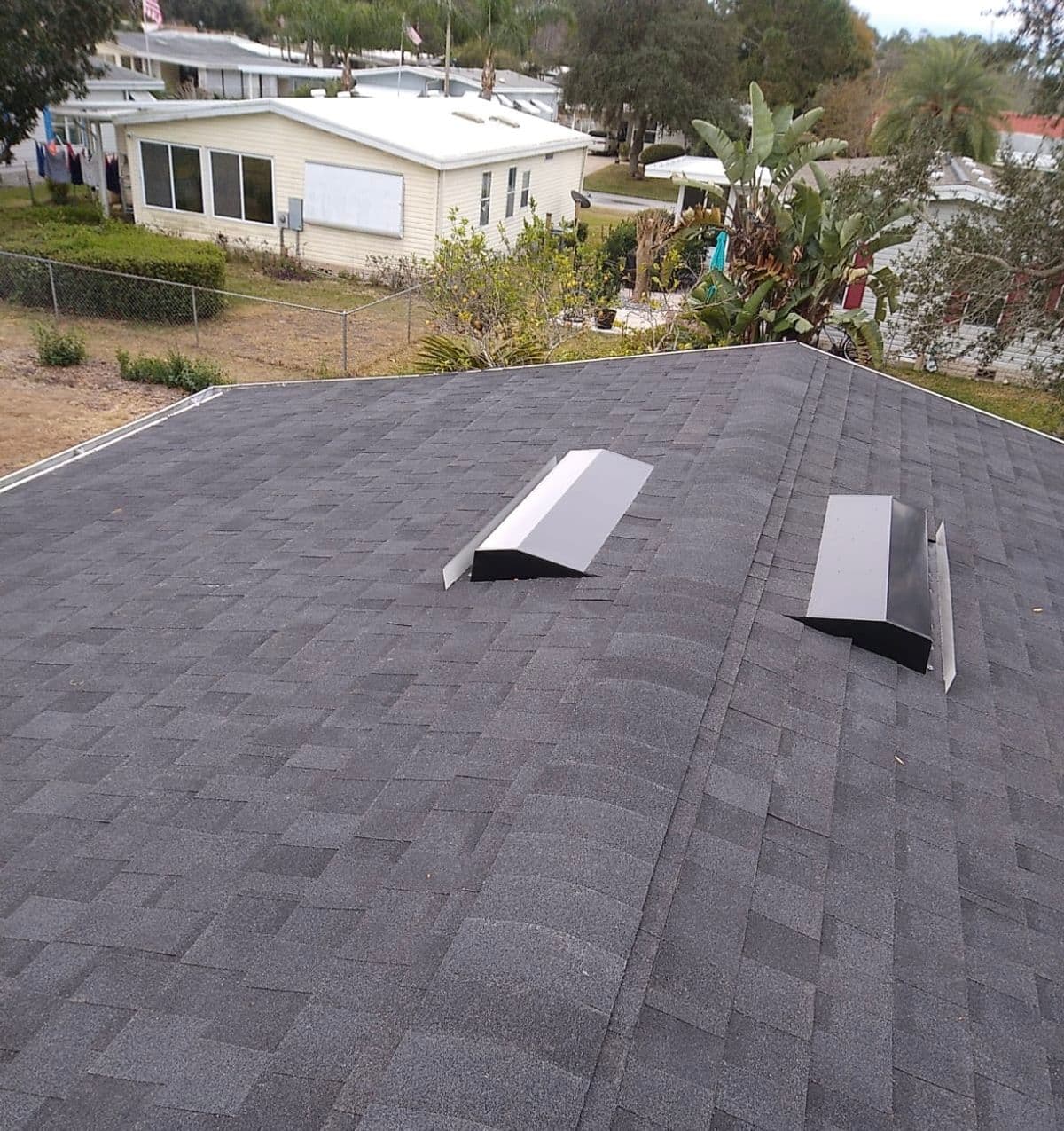
What to Check on Your Roof After a Florida Storm
Living in Central Florida means enjoying beautiful weather, but it also means being prepared for the occasional severe storm. From intense summer afternoon downpours to the more serious threats of hurricane season, our roofs take a beating. After a storm passes, it's natural to breathe a sigh of relief, but your work isn't quite done. A crucial next step is to carefully inspect your roof for any signs of damage. Early detection and proper documentation can make a significant difference in protecting your home.
Here’s a guide on what to look for and how to handle post-storm roof assessment:
Safety First
Before you even think about getting on a ladder, prioritize safety. If the storm was particularly severe, there might be downed power lines, unstable trees, or slick surfaces. It's often best to inspect from the ground using binoculars, or to wait for a professional to conduct a thorough inspection. If you do use a ladder, ensure it's stable on solid ground and have someone spot you. Never walk on a roof that appears soft, damaged, or wet.
From the Ground Up: Visual Inspection
Start your inspection from the safety of the ground. Walk around your entire home, paying close attention to the roofline and surrounding areas.
- Debris: Look for any large debris on the roof, such as tree branches, leaves, or even patio furniture that may have been lifted by strong winds. While some debris might seem harmless, heavy branches can cause punctures or dislodge shingles.
- Missing or Damaged Shingles: This is often the most obvious sign of wind damage. Look for shingles that are curled, cracked, creased, or completely missing. Even a single missing shingle can expose the underlying roof decking to moisture, leading to much larger issues over time. Pay particular attention to the edges and ridges of your roof, as these areas are often most vulnerable to wind uplift.
- Granule Loss: For asphalt shingle roofs, excessive loss of granules can be a sign of impact damage (from hail, for instance) or aging exacerbated by the storm. You might see granules accumulating in your gutters or downspouts. While some granule loss is normal over time, a sudden, significant amount after a storm warrants concern.
- Fascia and Soffit Damage: Inspect the trim pieces along the edge of your roof (fascia) and the underside of your eaves (soffit). Strong winds can rip these components away, leaving your attic exposed to water intrusion and pests.
- Gutters and Downspouts: Check for dents, tears, or dislodged sections. Clogged or damaged gutters can prevent proper water drainage, leading to water pooling on your roof or around your foundation.
- Flashing: This is the metal material used to seal joints, such as around chimneys, skylights, and vent pipes. Look for any bent, loose, or missing flashing, which can create direct entry points for water.
- Skylights and Vents: Inspect these for cracks, leaks, or any signs of dislodgement.
- Interior Signs: Don't forget to check inside your home. Look for water stains on ceilings or walls, especially in the attic or top-floor rooms. A small stain can indicate a significant roof leak.
Documenting the Damage with Photos
If you find any signs of damage, documentation is key. Use your smartphone or a digital camera to take clear, well-lit photos of everything you observe.
- Overall Shots: Start with wide shots of your home and roof to show the general condition.
- Close-Ups: Get close-up photos of specific damage, such as missing shingles, dents, cracks, or debris.
- Context: Include photos that show the location of the damage relative to other features of your roof or home.
- Date and Time: Most digital cameras and smartphones automatically timestamp photos, which is helpful for your records.
This photographic evidence will be invaluable for your own records and for any discussions with roofing professionals.
Temporary Measures: Tarping Exposed Areas
If you discover areas where the roof decking is exposed to the elements, or if you have an active leak, a temporary tarp can prevent further water intrusion and interior damage.
- Safety First: Again, only attempt this if it's safe to do so. If the roof is steep, wet, or the wind is still high, call a professional.
- Securely Fasten: Ensure the tarp extends well beyond the damaged area and is securely fastened to prevent it from blowing away in subsequent winds. Use wood strips and screws or heavy-duty anchors, not just nails, to hold it down.
- Proper Overlap: Overlap sections of the tarp if needed, always ensuring the upper section overlaps the lower section to direct water flow away from the damage.
Remember, a tarp is a temporary solution. It's designed to prevent immediate water damage, not to be a long-term repair.
When to Call a Professional
Even if you don't see obvious damage, it's always a good idea to have a professional roofing contractor perform a thorough inspection after a significant storm. Some damage, like hairline cracks in shingles or subtle impact points, can be hard for an untrained eye to spot. A professional will also check the integrity of your entire roofing system, including the underlayment and decking, which are not visible from the outside.
For homeowners in areas like Port St. John, Reunion, Rockledge, or Rose Isle, Southern Traditions Roofing is your trusted local partner. We're a family-owned business, licensed and insured (CCC#1332902), serving Central Florida since 2019. We understand the unique challenges our climate presents to your roof.
If repairs or replacement are needed, Southern Traditions Roofing can provide an itemized estimate and perform the roofing work you authorize. Our commitment is to quality craftsmanship and lasting protection for your home.
Insurance Claims
If you believe your roof has sustained storm damage that may be covered by insurance, contact your insurance company or insurance agent directly regarding coverage and the claims process. Southern Traditions Roofing can inspect your roof, identify physical damage, and provide an itemized estimate for roofing repairs or replacement. We do not interpret insurance policies, determine coverage, file insurance claims on behalf of homeowners, or negotiate insurance claims unless otherwise permitted by law.
For any questions about your specific insurance policy or how a claim might affect your premiums, please consult directly with your insurance agent or carrier.
Don't let post-storm worries linger. A proactive approach to checking your roof can save you time, money, and stress down the road. Contact Southern Traditions Roofing at (407) 579-6397 for a professional roof inspection and to discuss your roofing needs.