An Annual Roof Maintenance Checklist for Florida Homes
Maintenance Beats Repair
Most roof failures in Central Florida are not sudden. They are a small unaddressed thing that had two or three years to become a large one. The purpose of a maintenance rhythm is to catch those while they are still small and cheap.
None of this requires getting on the roof. Most of it is done from the ground, from a ladder at the eave, or from inside the attic.
Late Winter — February and March
The dry season is the right time for anything that needs a dry roof.
- Clear the gutters and downspouts of the debris that came down over winter
- Check the fascia and soffit for soft spots, peeling paint or insect entry
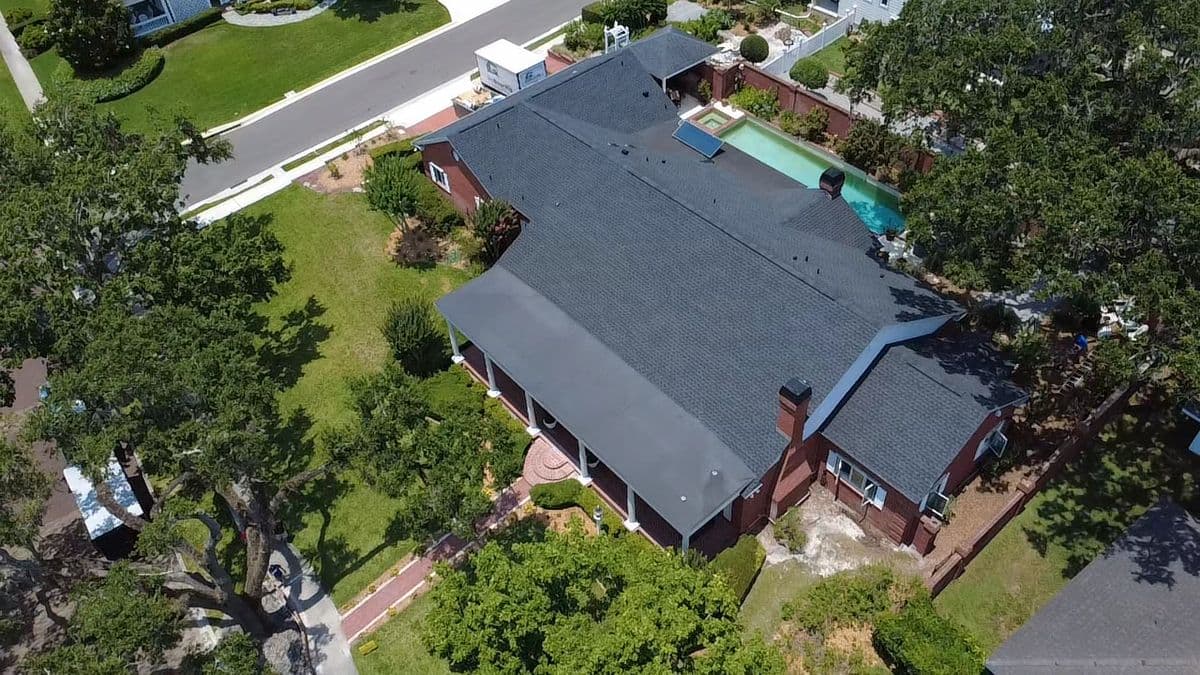
- Look at the roof from the ground with binoculars, slope by slope, noting anything that has moved since last year
- Trim branches that overhang the roof plane, before growing season adds to them
Spring — April and May
Pre-season work. This is the highest-value month of the year for roof attention.
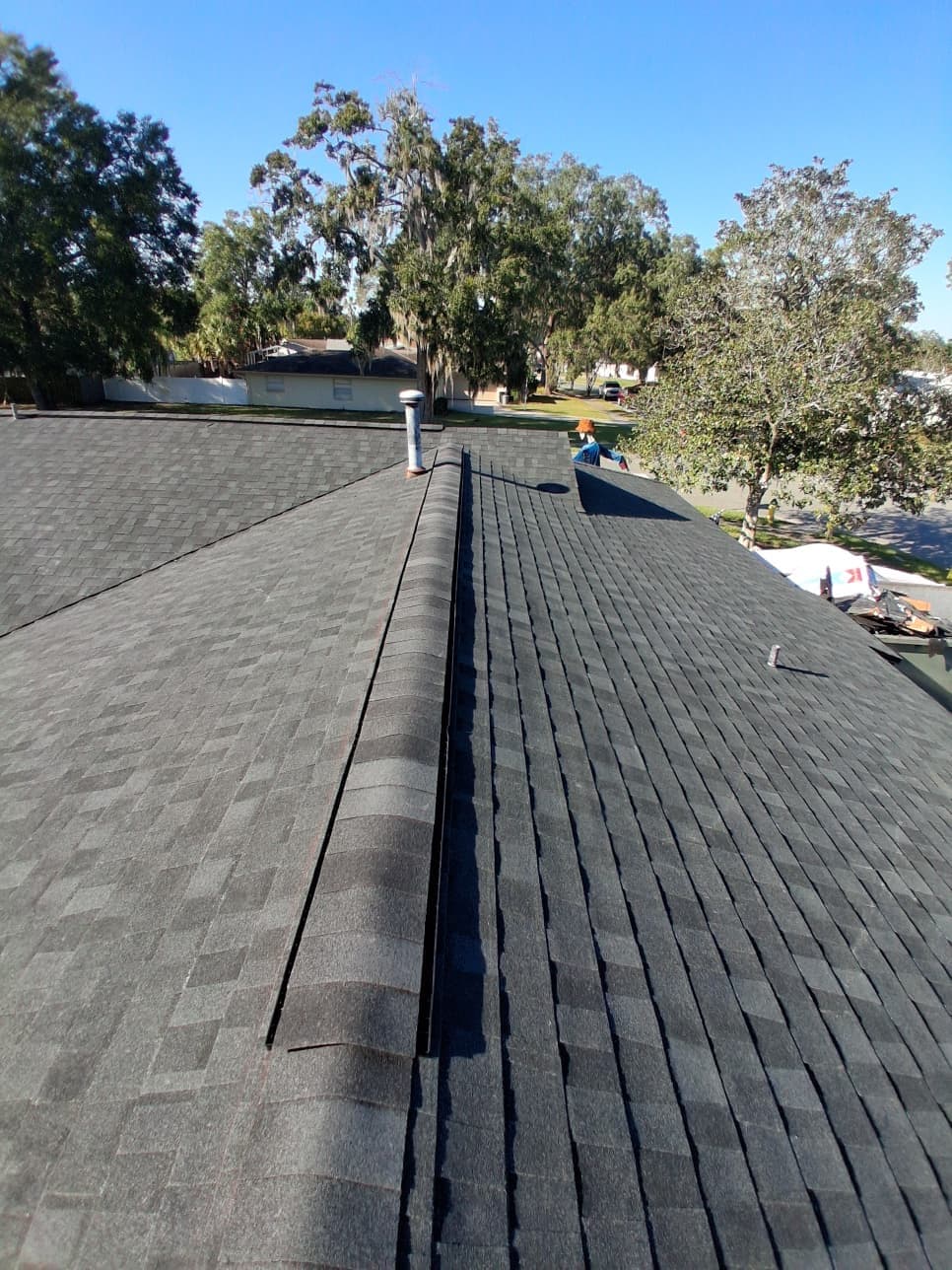
- Inspect penetrations: vent boots, skylight seals, chimney flashing
- Check the roof edge for lifted shingle tabs and loose drip edge
- Photograph the roof from several angles and date the images
- Book any repair work now, while contractors have availability
Summer — June through September
Rainy season. The work here is observation rather than intervention.
- After the first heavy storms, check the attic with a flashlight for staining or damp
- Watch the gutters during rain — overflow means a blockage that will push water under the roof edge
- Note any interior signs: musty smells, ceiling discolouration, paint bubbling
- Do not walk the roof when wet, particularly tile
Autumn — October and November
Post-season assessment. Six months of weather has just happened.
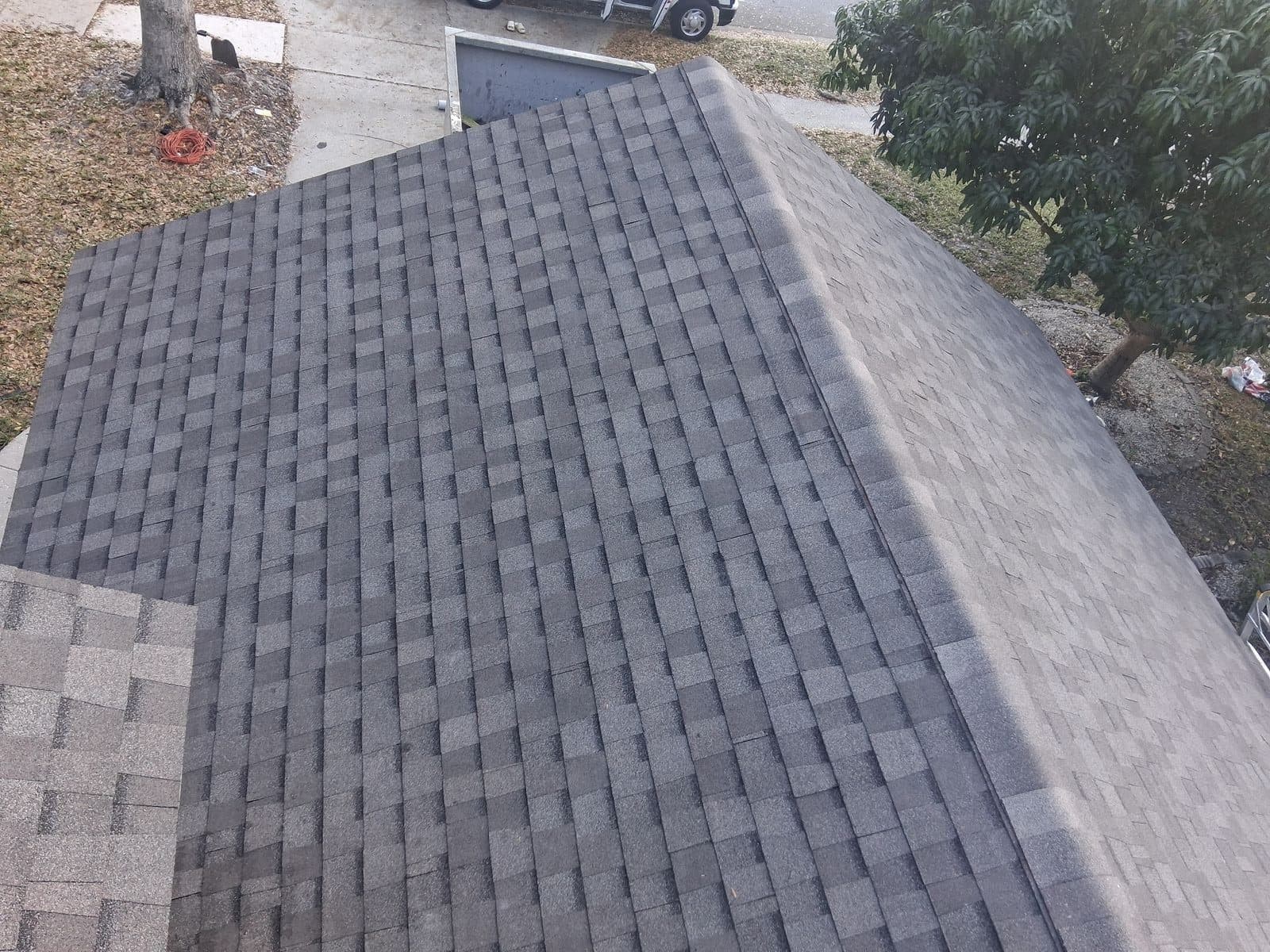
- Full visual inspection for cumulative damage: missing tabs, cracked tile, displaced ridge caps
- Clear gutters again — they will be full
- Check that ridge and off-ridge vents are still seated and fastened
- Address anything found now, while the weather is settled
December and January
Quiet months, and the best time for larger planned work.
- Consider replacement scheduling if the roof is nearing end of life — dry season, lower humidity, better contractor availability
- Review your photograph record against the current condition
The Items That Repay Attention Most
If the full rhythm is more than you will realistically keep up, these four matter more than the rest:
Gutters, twice a year. Blocked drainage causes more slow damage in Florida than almost anything else.
Vent boots, from year eight. A cracked boot is cheap to replace and expensive to ignore.
Attic inspection after big storms. The earliest reliable evidence of a leak is up there, not on your ceiling.
Overhanging branches. Abrasion in ordinary weather, puncture risk in severe weather.
When To Bring Someone In
Annual professional inspection makes sense from roughly year ten, and after any severe weather event regardless of roof age. A trained eye catches underlayment and flashing issues that are genuinely difficult to assess from the ground.
We handle roof repair in Doctor Phillips, roof repair in Eatonville, roof repair in Edgewater and roof repair in Edgewood. If an inspection turns up work worth doing, Southern Traditions Roofing can provide an itemized estimate and perform the roofing work you authorize.
What This Actually Buys You
The honest case for maintenance is not that it prevents every failure. Roofs reach the end of their service life regardless. What a rhythm like this does is change *how* they get there.
A maintained roof tends to fail predictably, at the end, in a way you can plan and budget for. An unmaintained roof tends to fail suddenly, in the middle of a storm, at the point where a small ignored problem finally opened up. The material lifespan is similar. The experience and the cost are not.
Records Are Part of Maintenance
Keep a simple folder — dated photographs, any inspection notes, receipts for repairs. Two reasons.
First, comparison. Roof deterioration is gradual enough that you will not notice it year to year. Photographs from three years ago make it obvious.
Second, evidence. A documented history of condition and upkeep is genuinely useful when something happens, and costs nothing to maintain as you go.
A Note on Walking the Roof
Most of this checklist is deliberately written to be done from the ground, a ladder or the attic. That is not caution for its own sake.
Foot traffic damages roofs. Tile cracks under weight, often invisibly, and the crack becomes a leak months later. Asphalt scuffs and loses granules where people walk, particularly on a hot afternoon when the shingle is soft. Metal panels dent and can have their finish compromised.
If something needs looking at up close, it is worth having someone go up who does it daily, with the right footwear and an understanding of where a given roof type can bear weight.